Why Does My Washing Machine Standpipe Overflow? Causes and Fixes
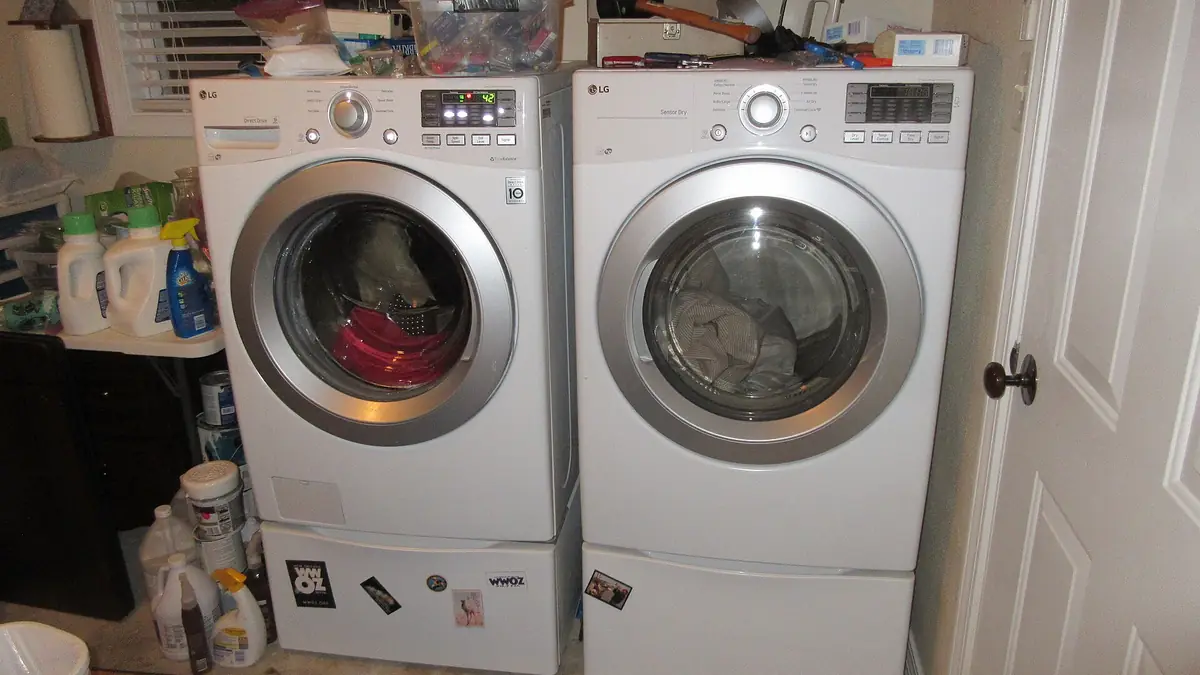
A washing machine standpipe overflows when water from the washer's pump arrives faster than the drain can take it. GE Appliances says its top-load washers pump at about 15 to 17 gallons per minute and its front-loaders at about 10 (GE Appliances). The usual causes are a lint, soap or grease clog in the trap or drain line, a drain hose pushed too far down the pipe, or a standpipe that's too short or narrow for the washer.

✓ Checked by a licensed plumber Kevin Orr, Texas Master Plumber License M-47441 (look it up)
Last reviewed
In this guide
If the standpipe only started overflowing recently, a clog is the most likely cause. If it has overflowed since the washer was installed, look at the setup first.
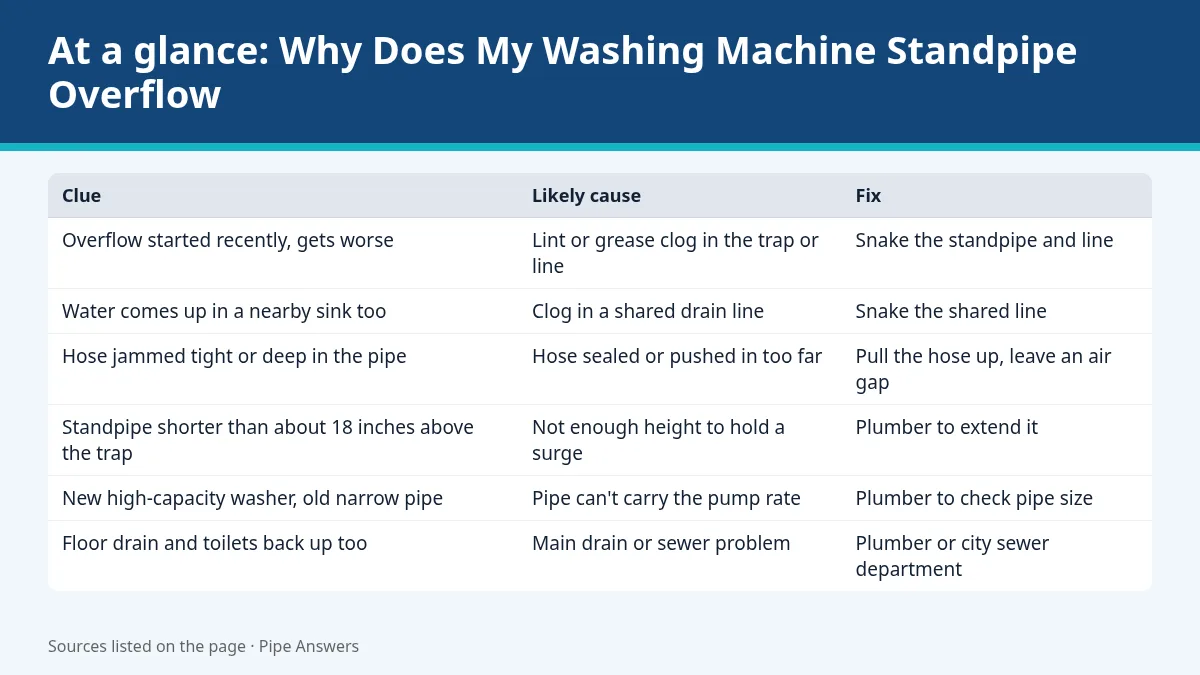 Graphic: summary of this guide, made by our team from the cited sources.
Causes at a glance
| Clue | Likely cause | Fix |
|---|---|---|
| Overflow started recently, gets worse | Lint or grease clog in the trap or line | Snake the standpipe and line |
| Water comes up in a nearby sink too | Clog in a shared drain line | Snake the shared line |
| Hose jammed tight or deep in the pipe | Hose sealed or pushed in too far | Pull the hose up, leave an air gap |
| Standpipe shorter than about 18 inches above the trap | Not enough height to hold a surge | Plumber to extend it |
| New high-capacity washer, old narrow pipe | Pipe can't carry the pump rate | Plumber to check pipe size |
| Floor drain and toilets back up too | Main drain or sewer problem | Plumber or city sewer department |
Sources: pump rate and hose depth from GE Appliances; standpipe height from ICC IPC Chapter 8.
First, make sure it really is the standpipe
Water on the laundry room floor does not always come from the drain. Watch a full cycle, especially the drain and spin, with a flashlight.
- Water rises and spills out of the top of the standpipe while the washer pumps out: it is a drain problem. Keep reading.
- Water appears at the front left corner of a top-load washer: GE says that is usually the washer's own overflow tube, and in most cases it is caused by too many suds pushing water over the inner basket (GE Appliances).
- Water drips from the hose connections on the back: a loose or worn fill or drain hose, not the standpipe.
Too many suds
Oversudsing causes leaks that look like drain trouble. GE recommends HE detergent, which is low-sudsing, in all its washers, and warns that too much detergent leads to over-sudsing and residue (GE Appliances). Over-sudsing is especially common in homes with water softeners (GE Appliances).
GE's test for too much detergent: put a washed but not yet dried washcloth in a bowl of hot water. A white film on the water means you are using too much (GE Appliances). Towels, sweaters and blankets can hold soap over time, so GE suggests washing them occasionally with no detergent (GE Appliances).
Check the hose first
GE says the standpipe or wall drain must be open to the atmosphere, and that the hose should go no more than 5 inches into the pipe for its top-load washers and 7 inches for front-loaders (GE Appliances). A hose stuffed deep and wrapped with tape to stop splashing seals the pipe, so the water can't drain freely. Amana's front-load installation checklist is stricter: no more than 4.5 inches (113 mm) into the drainpipe, and it says plainly not to seal the hose into the pipe with tape (Amana). Pull the hose up, secure it with the clip or strap that came with the washer, and test.
Clear the clog
Lint from clothes, soap residue and, in shared lines, kitchen grease build up in the standpipe's trap and the line beyond it.
- Unplug the washer and pull it out so you can reach the standpipe.
- Pull the drain hose out and bail or sponge out the standing water.
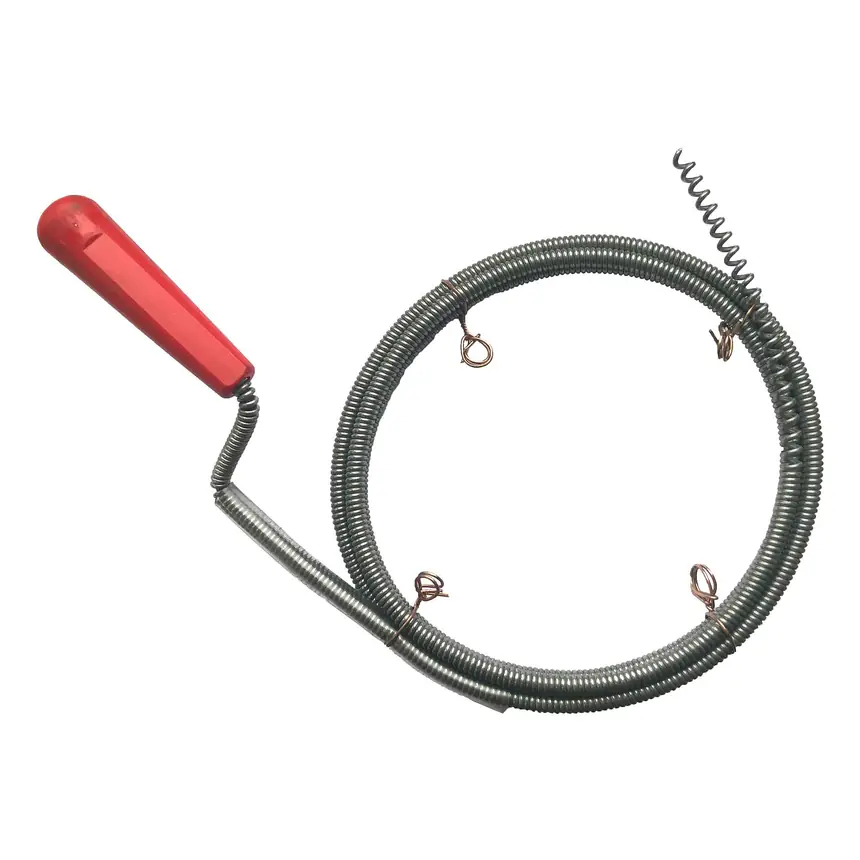
- Feed a drain auger down the standpipe, through the trap and into the line. Turn as you push; pull out the lint you hook.
- Pour a bucket of water down the standpipe. It should drain quickly without backing up.
- Put the hose back and run a rinse-and-spin cycle with no clothes, watching the standpipe.
Some people add a mesh lint catcher to the end of the drain hose. If you do, empty it often, because a full one can slow the flow.
Check the standpipe itself
The International Plumbing Code requires each standpipe to have its own trap and to extend at least 18 inches and no more than 42 inches above the trap weir, with access for cleaning (ICC IPC Chapter 8). Washer makers also set their own minimum heights. GE says the drain must be at least 30 inches above the floor for its top-load washers and at least 24 inches for front-loaders, and no more than 8 feet, and that the standpipe must have an inside diameter of at least 1 1/2 inches (GE Appliances). Amana's front-load checklist lists a minimum standpipe height of 39 inches (Amana). Check your own washer's installation manual; models differ.
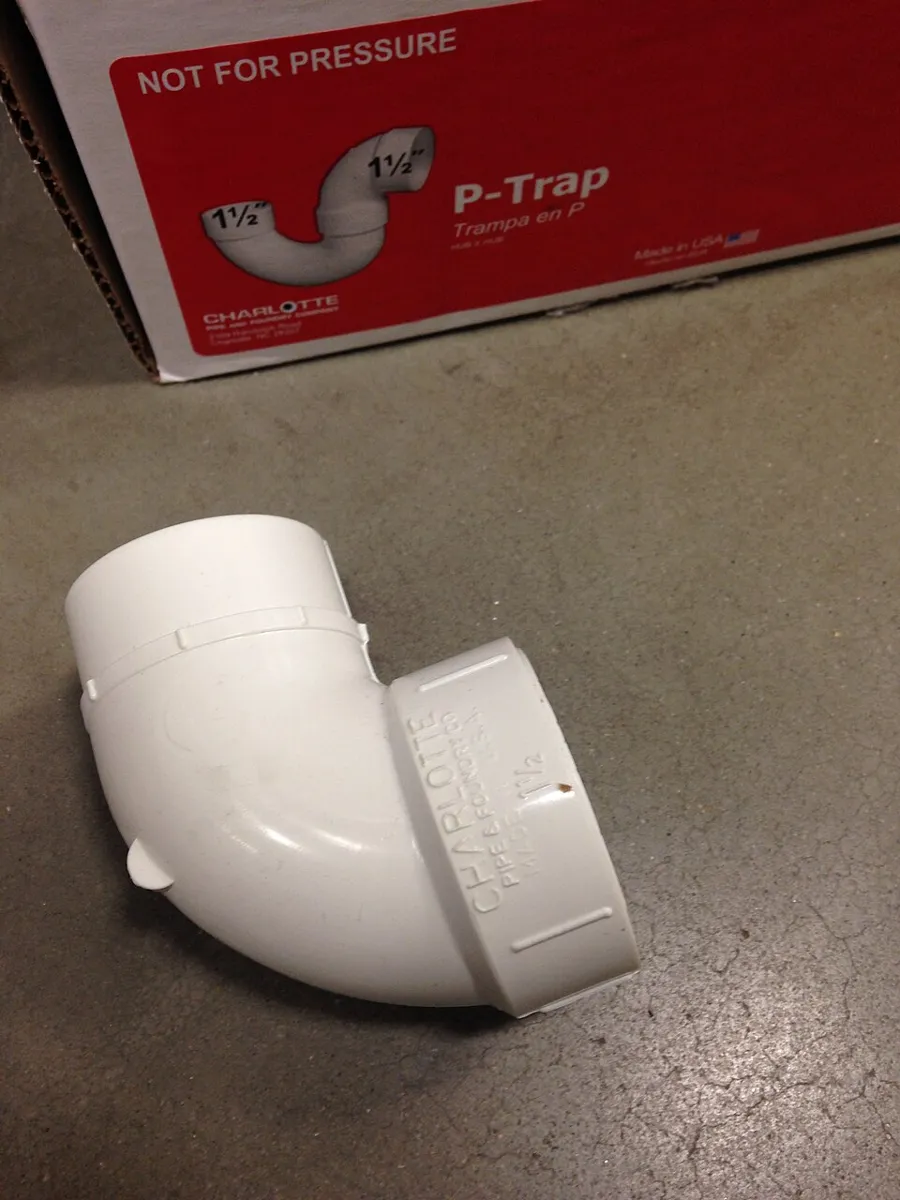
A standpipe that's too short has too little volume to absorb the surge. Too low a drain can also cause siphoning, where the washer fills and drains at the same time, GE notes (GE Appliances). Changing standpipe height or size is a job for a plumber, and may need a permit where you live.
Standpipe numbers in one place
| Requirement | Number | Source |
|---|---|---|
| Height of standpipe above its trap weir | At least 18 inches, no more than 42 inches | ICC IPC Chapter 8 |
| GE top-load drain height above the floor | At least 30 inches, under 8 feet | GE Appliances |
| GE front-load drain height above the floor | At least 24 inches, under 8 feet | GE Appliances |
| Standpipe inside diameter | At least 1 1/2 inches | GE Appliances |
| GE drain hose outside diameter | About 1 1/4 inches | GE Appliances |
| Hose depth into the pipe | No more than 5 inches (top-load) or 7 inches (front-load) | GE Appliances |
| Amana front-load hose depth and standpipe height | No more than 4.5 inches in; standpipe at least 39 inches | Amana |
The height of the drain also changes how fast the washer empties. GE says flow drops by about 1 gallon per minute for each extra foot of drain height (GE Appliances). So a taller drain slightly slows the pump's discharge.
GE does not recommend check valves on the drain hose, because they can restrict flow (GE Appliances). If someone added one to stop backflow, it could be part of your problem.
If the washer drains into a laundry sink
GE says a washer can drain into a standpipe, a wall drain or a laundry tub (GE Appliances). With a laundry tub, the tub's own drain and trap have to keep up with the pump. If the tub fills up and overflows, clean the strainer, then snake the tub drain the same way as a standpipe. A mesh lint catcher on the hose end helps here too.
When the problem is further down
If washer water shows up in the kitchen sink, see Why Does My Washing Machine Drain Into My Kitchen Sink? If several fixtures back up at once, the City of Minneapolis says most sewer backups come from roots in a cracked private sewer lateral (City of Minneapolis). Stop running water and call a plumber.
Frequently asked questions
How tall should a washer standpipe be?
The International Plumbing Code says a standpipe must extend at least 18 inches and no more than 42 inches above its trap weir. Your washer's manual also sets a minimum drain height; GE says 30 inches for its top-loaders and 24 inches for front-loaders.
What size should the standpipe be?
GE says the standpipe must have an inside diameter of at least 1 1/2 inches and be open to the air.
How far should the drain hose go into the standpipe?
Not far. GE says no more than 5 inches for its top-load washers and 7 inches for front-loaders, and that pushing it in too far can cause siphoning.
Can I tape the drain hose into the standpipe to stop splashing?
No. Amana says not to seal the drain hose into the drainpipe with tape, and GE says the standpipe must be open to the air. A sealed hose can siphon or back up.
Smell gas? Leave the building without switching anything on or off, then call your gas utility or 911 from outside.
Know your shutoff. Find your home’s main water shutoff before you need it. Most fixtures also have their own small valve.
Sources
- Washer: Drain Hose Information, GE Appliances
- Washer: Drain Height, GE Appliances
- International Plumbing Code 2021, Chapter 8: Indirect/Special Waste, International Code Council
- Sewer Problems in the Home, City of Minneapolis
- Top Load Washer: Leaking Water in Front, GE Appliances
- Top Load Washer: Excess Suds, GE Appliances
- Washer: HE Detergent, GE Appliances
- Front Load Washer Installation Checklist, Amana Product Help
Spotted an error? See our corrections policy or email contact@pipeanswers.com.

Pipe Answers Editorial Team
Our editors build each guide from the sources listed above and check every claim and number against them before publishing. How the team works
Kevin Orr
Expert Reviewer, Plumbing
Texas Master Plumber License, M-47441 · Verify license
Kevin Orr is a Texas Master Plumber, a U.S. Army veteran and the owner of a plumbing company. In his view, good plumbing is more than fixing pipes. It means showing up when you say you will, explaining what needs to…
Related guides
-
 Drains & Clogs
How to Tell If Your AC Condensate Drain Line Is Clogged
An AC that shuts off on a hot day, water in the drain pan, or a pipe dripping over a window are the main signs of a clogged condensate line. Checks from Trane, Carrier and Lennox.
-
 Drains & Clogs
Bathtub Stopper Not Working? Find Your Type and Fix It
Most tub stoppers fail from hair, a loose or worn seal, or linkage set at the wrong length. Identify your stopper type, then adjust or replace it using Kohler, Watco and Danco instructions.
-
 Drains & Clogs
How to Tell If Your Garbage Disposal Is Bad (or Just Jammed)
Humming, tripping, smells and most leaks are fixable. A disposal is bad when it leaks through the body or motor joint, or still won't run after a reset. Tests from InSinkErator, Waste King and Moen.
-
 Drains & Clogs
Bathroom Sink Draining Slowly? Fix It in 4 Steps (and Replace the Pop-Up)
A slow bathroom sink is usually clogged at the pop-up stopper or the P-trap. How to pull and clean the stopper, plunge the right way, clear the trap, and replace a worn pop-up drain.