Bathroom Sink Draining Slowly? Fix It in 4 Steps (and Replace the Pop-Up)
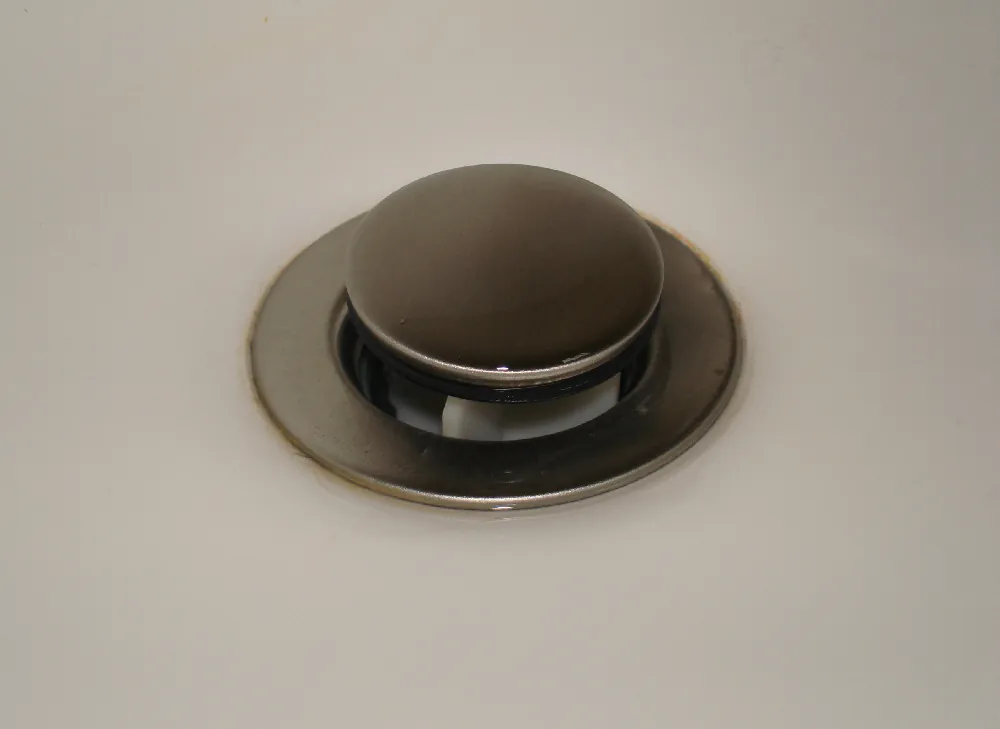
A bathroom sink that drains slowly is almost always clogged in one of two places: on the pop-up stopper right under the drain opening, or in the P-trap under the sink. Hair, toothpaste and soap stick to the stopper and its rod, and whatever gets past them settles in the trap. Work from the top down. Most slow sinks are fixed at step 1 or step 3, with no chemicals.

✓ Checked by a licensed plumber Kevin Orr, Texas Master Plumber License M-47441 (look it up)
Last reviewed
In this guide
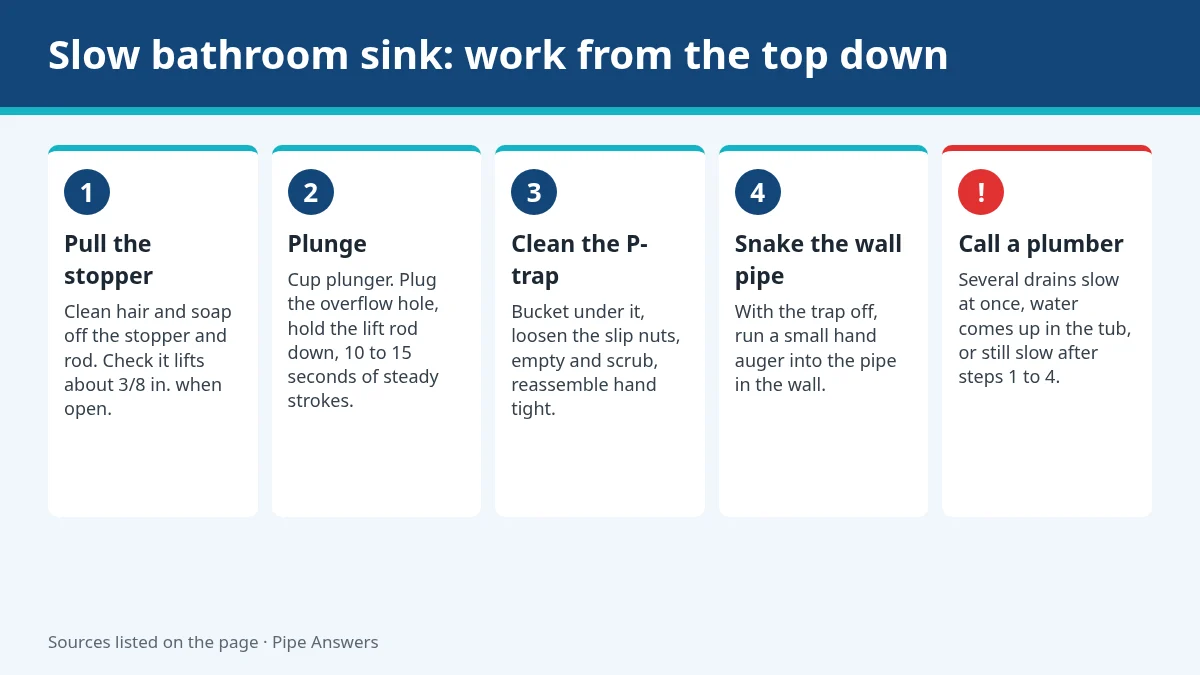 Graphic: summary of this guide, made by our team from the cited sources.
Why bathroom sinks slow down
- The pop-up stopper catches hair. The stopper and the rod that lifts it sit inside the drain, right in the water's path. Hair wraps around them and soap glues it in place.
- Soap curd. University of Nebraska-Lincoln Extension's hard water guide says soap used in hard water combines with the minerals to form a sticky soap curd, and that soap curds deposit on all water and plumbing fixtures. In a sink, that film builds up on the stopper, the tailpiece and the trap.
- A stopper that barely opens. Kohler's pop-up drain installation guide has you adjust the stopper so it lifts about 3/8 inch (1 cm) when opened. If yours only rises a little, the water has a smaller gap to get through.
- Buildup in the trap. The curved P-trap holds water to block sewer gas, and it is also where heavier debris settles.
Step 1: Pull and clean the pop-up stopper
Close the stopper and try to lift it out. Some types come straight up, and some turn a quarter turn first.
If it will not budge, look under the sink at the back of the drain pipe. You will see a horizontal rod going into the pipe, held by a nut, and joined by a clip and a slotted strap to the vertical lift rod that comes down from the faucet. In Kohler's design, the short end of that horizontal rod goes into the lift rod hole and under the stopper rod, and the rod nut is hand tightened. Unscrew the nut, pull the rod back an inch, and the stopper lifts free.
Clean the stopper and its rod with an old toothbrush and hot water. Wipe inside the drain opening as far as you can reach. Put it back, push the rod in under the stopper again, and hand tighten the rod nut. Then check the lift: open the stopper and see if it rises about 3/8 inch. Kohler says to adjust it by turning the threaded stopper rod in or out.
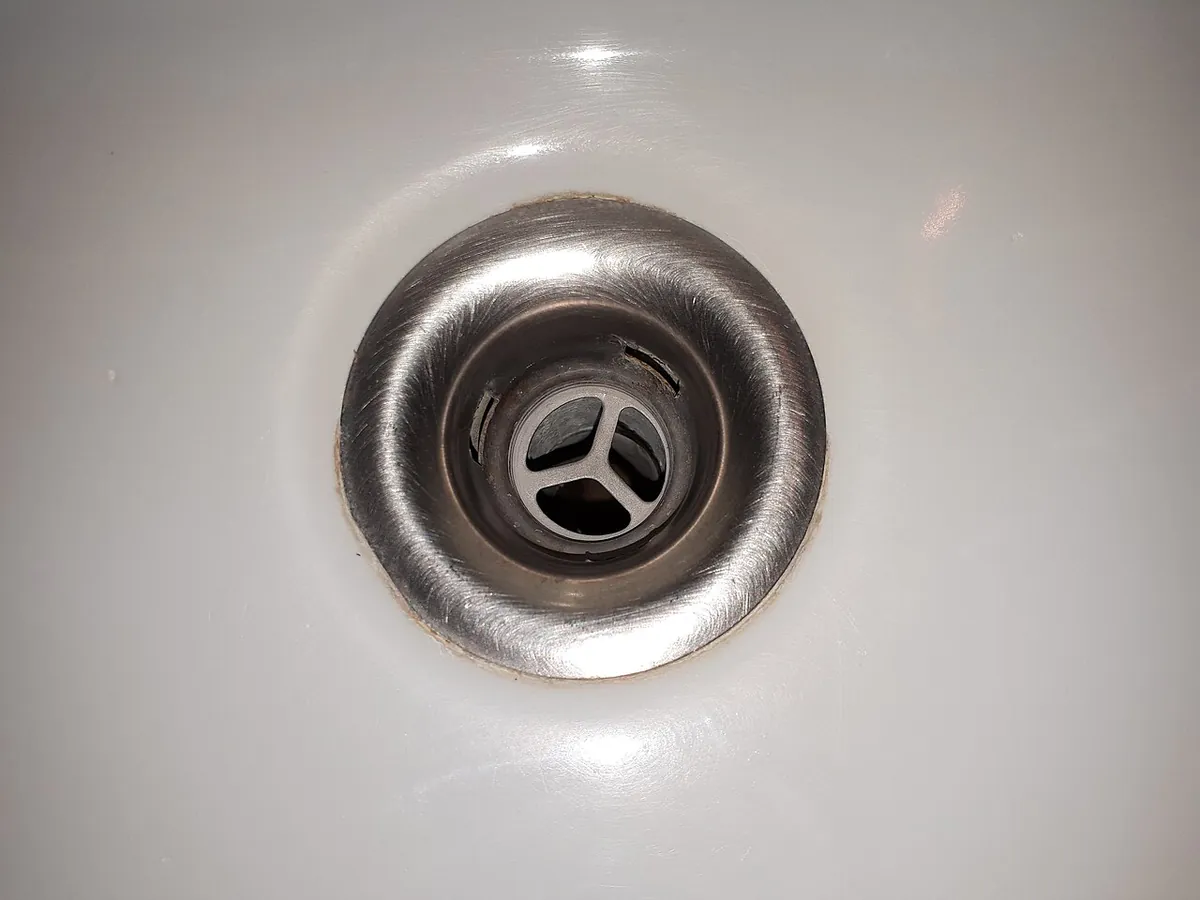
Step 2: Plunge it the right way
With the stopper clean and back in, run some water. Still slow? Plunge. Korky's guide on how to plunge a sink gives the details that make this work on a bathroom sink:
- Use a cup plunger, the kind made for flat drains (not a flanged toilet plunger).
- Plug the sink's overflow hole. A wet rag pressed into it works. Without this, the pressure escapes out of the overflow instead of pushing on the clog.
- Hold the lift rod down so the stopper does not block the drain while you plunge.
- Seal the plunger over the drain and push and pull with steady strokes for about 10 to 15 seconds.
- When it clears, run hot water for a few minutes to flush away loosened debris.
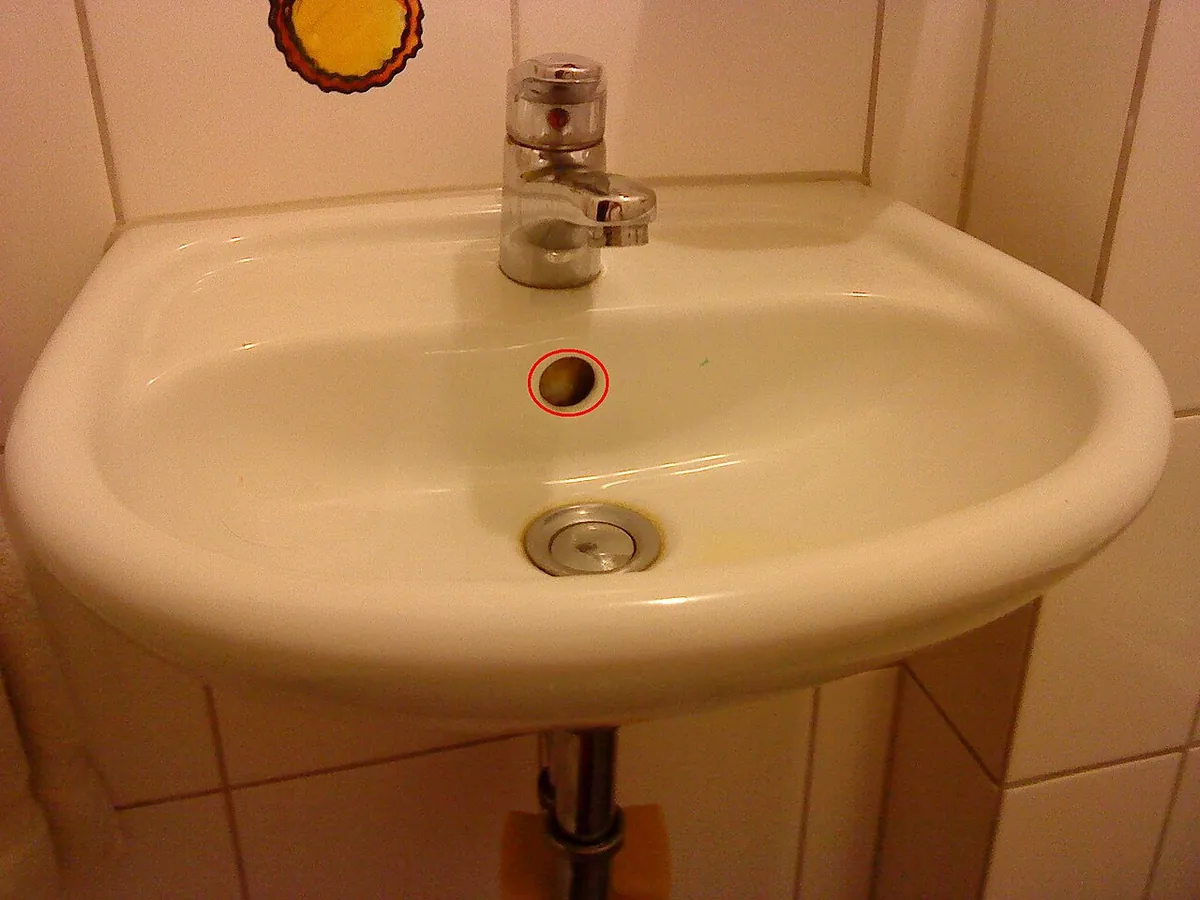
Step 3: Clean the P-trap
If plunging does not fix it, the clog is probably in the trap. The University of California IPM program, on its moth and drain fly page, says that for sinks with a J trap underneath, the trap should be removed and cleared of organic debris, and that you should run water afterward to make sure it flows freely.
- Put a bucket under the trap and have a towel ready.
- Loosen the two slip nuts that hold the curved section. Plastic ones usually turn by hand.
- Pull the trap off, empty it, and scrub it out. Check the washers inside the nuts.
- Look into the short pipe going into the wall. If it is packed with gunk, clean it with a brush.
- Reassemble, hand tighten, run water, and check for drips. Snug a nut a little more if one weeps.
The kitchen version of this job, with photos of each part, is in our guide to cleaning a smelly P-trap under the kitchen sink.
Step 4: Snake the pipe in the wall
With the trap off, feed a small hand auger (drain snake) into the pipe that goes into the wall. Turn the handle as you push, and pull back whatever it catches. Put the trap back on and test. This clears clogs past the trap without forcing a cable through the stopper hardware.
What about drain cleaner?
It is not the first step. Most slow bathroom sinks are a hair and soap problem at the stopper, which no liquid removes as well as your hands do. If you do use one, Poison Control's article on what is in drain cleaner says to wear goggles and rubber gloves and to pour carefully and close to the drain. It warns that drain cleaner can splash back if poured from too high or if too much is poured into a completely blocked drain. Do not plunge or take the trap apart after a chemical cleaner has gone in.
Replacing a worn pop-up drain
Replace the assembly if the stopper will not stay up, the drain leaks at the flange, or the parts are corroded. You need an adjustable wrench and plumber's putty. These are the steps from Kohler's installation guide for its K-7114 and K-7126 pop-up drains; check the instructions for your own model.
- Disconnect the P-trap and the lift rod linkage, then unscrew the old drain body nut under the sink and push the old flange up and out. Clean off old putty.
- Unscrew the new flange from the drain body. Apply a ring of plumber's putty to the underside of the flange.
- From under the sink, push the drain body up into the drain hole. From above, hand tighten the flange onto it.
- Thread the nut up the body until the flange sits snug. Do not let the drain rotate as you tighten. Make sure the lift rod hole faces the back of the sink, then tighten the nut with the wrench and wipe off excess putty.
- If the tailpiece was removed, Kohler says to double check that the plastic washer is inside the flange body, or the drain will leak.
- Connect the P-trap to the tailpiece. Press the seal into the lift rod hole, put the stopper in, and slide the short end of the rod into the hole and under the stopper rod. Hand tighten the rod nut.
- Adjust the stopper to lift about 3/8 inch when open.
- Fit the clip and the link onto the rod with the thumbscrew facing the back. Push the lift rod down through the faucet and into the link, and tighten the thumbscrew so the lift rod knob sits 1/2 inch (1.3 cm) above the lift rod hole.
- Run water and check for leaks.
Step 1 is our addition, since Kohler's guide covers a new install.
When the problem is bigger than the sink
If the tub, shower or toilet is slow at the same time, the clog is further down the line. The City of Minneapolis page on sewer problems in the home says slow drainage in toilets, showers and sinks is typically caused by clogs in the property's own plumbing, and that a blockage in the city sewer is rare. Call a plumber when several drains are slow, when water comes up in the tub as the sink drains, or when the sink is still slow after the four steps above.
A slow shower in the same bathroom has its own list of causes, covered in shower drain clogged with no hair. If this sink keeps clogging again a few weeks after you clean it, read why a drain keeps clogging.
Frequently asked questions
Why is my bathroom sink draining slowly but not clogged?
It usually is partly clogged, just not where you can see it. Hair and soap collect on the pop-up stopper and its rod under the drain opening, and in the P-trap below. A stopper that does not open far enough also slows the water. Kohler sets its pop-up stoppers to lift about 3/8 inch when open.
How do I get the stopper out of my bathroom sink?
Some lift straight out. If yours will not, look under the sink for the nut on the back of the drain pipe where the horizontal rod goes in. In Kohler's pop-up drain the short end of that rod goes into the lift rod hole and under the stopper rod, held by a rod nut, so loosening the nut and pulling the rod back frees the stopper.
Should I plunge a bathroom sink with the overflow open?
No. Korky says to plug any sink overflow hole first so the pressure goes toward the clog, and to hold the lift rod down so the stopper does not block the drain while you plunge. A wet rag works for the overflow.
Can I use chemical drain cleaner in a bathroom sink?
Clean the stopper and trap first; they fix most slow sinks. If you do use a chemical cleaner, Poison Control says to wear goggles and rubber gloves and pour carefully, close to the drain, because it can splash back.
Is it hard to replace a pop-up drain?
It is a common DIY job with an adjustable wrench and plumber's putty. The steps in Kohler's guide: putty under the flange, drain body up through the hole, flange hand tight, nut snug with the lift rod hole facing the back, then reconnect the trap and set up the stopper and lift rod.
Smell gas? Leave the building without switching anything on or off, then call your gas utility or 911 from outside.
Know your shutoff. Find your home’s main water shutoff before you need it. Most fixtures also have their own small valve.
Sources
- Installation Guide, Pop-Up Drain K-7114, K-7126 (1041498-2-C), Kohler
- How to Plunge a Sink, Korky
- Moth or Drain Flies, UC Statewide IPM Program, University of California
- Drinking Water: Hard Water (Calcium and Magnesium), G1274, University of Nebraska-Lincoln Extension
- What's in drain cleaner and what happens if you drink it?, Poison Control (National Capital Poison Center)
- Sewer Problems in the Home, City of Minneapolis Public Works
Spotted an error? See our corrections policy or email contact@pipeanswers.com.

Pipe Answers Editorial Team
Our editors build each guide from the sources listed above and check every claim and number against them before publishing. How the team works
Kevin Orr
Expert Reviewer, Plumbing
Texas Master Plumber License, M-47441 · Verify license
Kevin Orr is a Texas Master Plumber, a U.S. Army veteran and the owner of a plumbing company. In his view, good plumbing is more than fixing pipes. It means showing up when you say you will, explaining what needs to…
Related guides
-
 Drains & Clogs
How to Tell If Your AC Condensate Drain Line Is Clogged
An AC that shuts off on a hot day, water in the drain pan, or a pipe dripping over a window are the main signs of a clogged condensate line. Checks from Trane, Carrier and Lennox.
-
 Drains & Clogs
Bathtub Stopper Not Working? Find Your Type and Fix It
Most tub stoppers fail from hair, a loose or worn seal, or linkage set at the wrong length. Identify your stopper type, then adjust or replace it using Kohler, Watco and Danco instructions.
-
 Drains & Clogs
How to Tell If Your Garbage Disposal Is Bad (or Just Jammed)
Humming, tripping, smells and most leaks are fixable. A disposal is bad when it leaks through the body or motor joint, or still won't run after a reset. Tests from InSinkErator, Waste King and Moen.
-
 Drains & Clogs
Shower Drain Clogged but No Hair? 6 Other Causes and Fixes
No hair in the strainer but the shower still drains slowly? Soap curd, hard water scale, drain slime, grit and venting problems are the usual causes. How to find yours and clear it safely.