Why Does My Drain Keep Clogging? How to Find the Real Cause
A drain that keeps clogging usually has one of two problems: the last clog was only partly cleared, so the leftover hair or grease catches new debris, or the blockage is farther down the pipe than a plunger or hand snake reaches. Finding out which one you have comes down to a simple question: is it one drain, or more than one?

✓ Checked by a licensed plumber Kevin Orr, Texas Master Plumber License M-47441 (look it up)
Last reviewed
In this guide
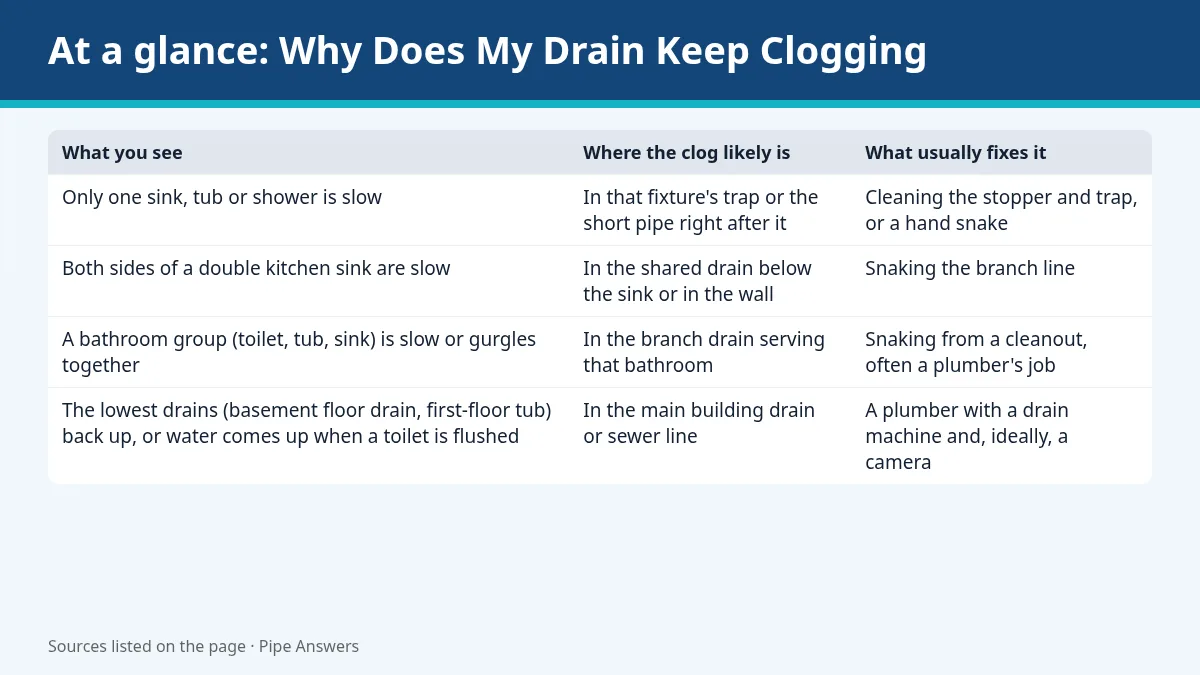 Graphic: summary of this guide, made by our team from the cited sources.
Step 1: one drain or several?
This is the most useful check, and it takes two minutes. Run water in the problem drain, then in the fixtures near it and on the lowest floor.
| What you see | Where the clog likely is | What usually fixes it |
|---|---|---|
| Only one sink, tub or shower is slow | In that fixture's trap or the short pipe right after it | Cleaning the stopper and trap, or a hand snake |
| Both sides of a double kitchen sink are slow | In the shared drain below the sink or in the wall | Snaking the branch line |
| A bathroom group (toilet, tub, sink) is slow or gurgles together | In the branch drain serving that bathroom | Snaking from a cleanout, often a plumber's job |
| The lowest drains (basement floor drain, first-floor tub) back up, or water comes up when a toilet is flushed or the washer drains | In the main building drain or sewer line | A plumber with a drain machine and, ideally, a camera |
If it is a single fixture, keep reading. If it is the last row, stop using water as much as you can and call a plumber. A backup from the main line can push sewage into the house, which the Boston Water and Sewer Commission warns carries bacteria and other harmful germs.
Why the same drain clogs again
Hair that was only partly removed
In bathroom drains, hair wraps around the stopper linkage and the inside of the trap. Pulling out the visible clump opens the drain for a few days, but the strands left behind catch soap and the next round of hair. The fix is to take the stopper out and clean the trap, not just the top of the drain.
Grease and food in kitchen drains
Grease goes down warm and liquid, then cools and sticks to the pipe walls. The Boston Water and Sewer Commission says grease should never be poured down sinks, toilets or garbage disposals; pour it into a covered container and put it in the trash. Each new layer narrows the pipe a little more, which is why kitchen clogs tend to come back in the same spot.
Wipes and other things that do not break down
"Flushable" wipes are a common cause of repeat toilet and main line clogs. The Boston Water and Sewer Commission says many wipes labeled flushable do not break down in pipes and lists bathroom wipes, baby wipes, disinfecting wipes and towelettes as items for the trash.
Something stuck in the line
A toy, a bottle cap or a chunk of debris can sit in a trap or fitting and catch everything that comes after it. A clog that returns quickly after every snaking, always at the same depth, often points to an object or a damaged section of pipe.
Roots, sags and broken pipe outside
In older sewer lines, roots can enter through joints, and a sagging section can hold water and solids. Boston's water and sewer authority lists a blocked or collapsed private sewer lateral among the causes of sewer backups (BWSC). These clogs come back no matter how often the line is snaked, until the pipe is repaired. A camera inspection is the way to know.
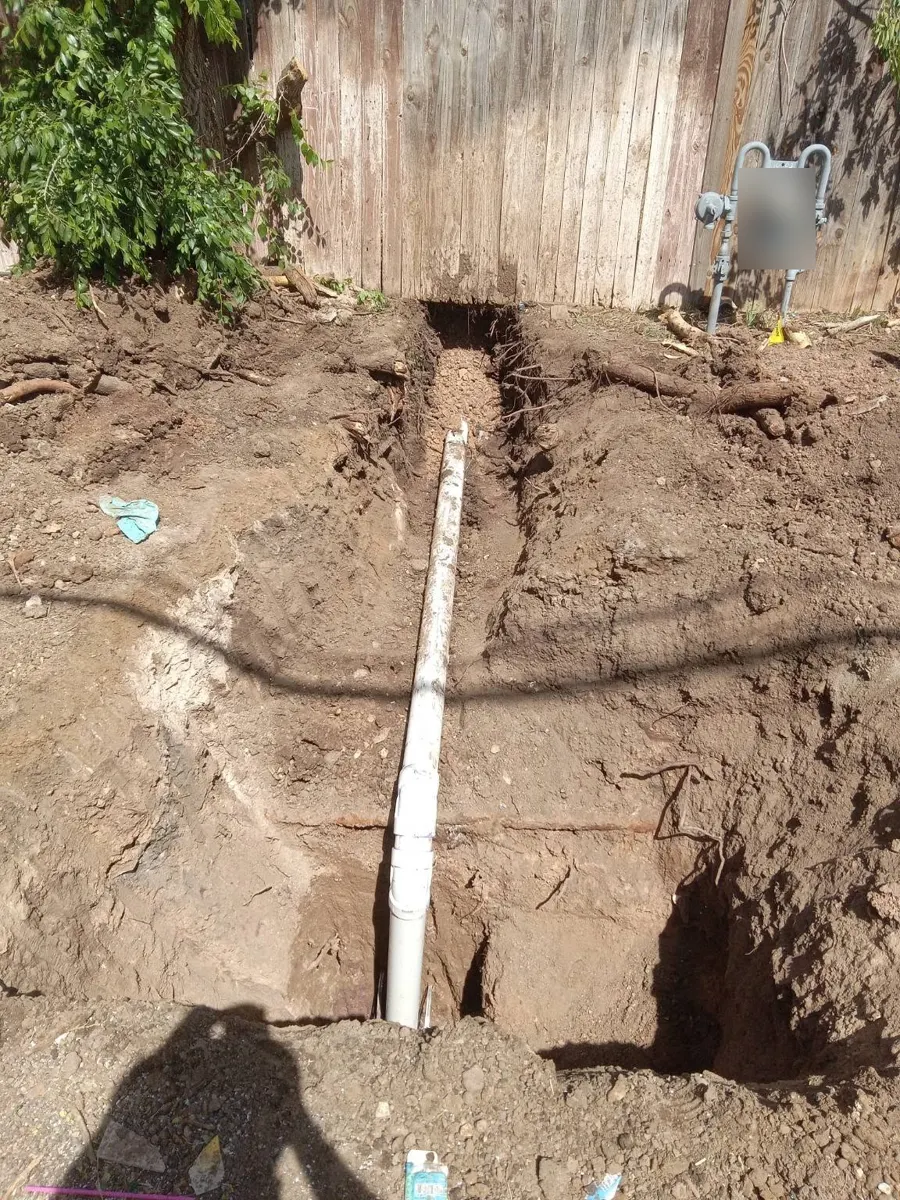
A worked check for a single slow bathroom sink
Here is a check you can run on a sink that keeps slowing down. You need a bucket, a towel, pliers, a flashlight and an old toothbrush.
- Pull the stopper. Most pop-up stoppers lift out, or come free when you loosen the nut on the pivot rod behind the drain pipe under the sink. Clean the hair off it.
- Put a bucket under the trap (the U-shaped pipe) and unscrew the two slip nuts by hand or with pliers.
- Clean the trap and look into the pipe going into the wall with a flashlight. Hair and sludge here are common.
- Reassemble hand-tight plus a little more, then run water and check for drips.
- Test the flow. Fill the basin and pull the stopper. If it drains quickly, the clog was local. If it is still slow, the clog is in the wall, and a hand snake or a plumber is the next step.
While you are there, check whether the faucet is weak too. A slow drain and a weak faucet are separate problems; a weak flow often comes from a clogged aerator screen, which Pfister says you can unscrew and rinse.
What about drain cleaners?
Chemical drain openers are a common first move, and a common reason clogs keep coming back: they can burn a small channel through soft buildup without removing the hair or grease around it. They are also dangerous. Poison Control says many liquid drain cleaners contain concentrated acids or alkalis that can cause serious burns, and that splash-back is a risk when too much is poured into a fully blocked drain (Poison Control). If you use one:
- Follow the label exactly and wear goggles and gloves, as Poison Control advises.
- Never mix it with another drain product or cleaner.
- Tell anyone who later plunges or snakes the drain that chemicals are in it.
For the home remedy, Poison Control says baking soda and vinegar is unlikely to be strong enough to clear tough grease clogs (Poison Control).
How to stop the cycle
- Bathroom: use a hair catcher in tubs and showers, and clean the sink stopper every month or two.
- Kitchen: wipe greasy pans with a paper towel before washing, and put grease in a container for the trash.
- Toilets: flush only toilet paper and human waste; wipes go in the trash.
- Main line: if you have had a main line backup, ask the plumber for a camera inspection so you know whether roots or a damaged pipe are involved.
When to call a plumber
- More than one fixture is slow or backing up.
- Water comes up in a tub or floor drain when you use another fixture.
- The same drain clogs again within weeks of being cleared.
- You have used a chemical drain cleaner and the drain is still full of standing water.
Frequently asked questions
Can a clogged drain fix itself?
Sometimes a soft clog of soap or toilet paper breaks up on its own, but hair, grease and wipes do not dissolve. A drain that slows down again and again has something still caught in it.
Do chemical drain cleaners stop repeat clogs?
They can open a channel through some clogs, but many contain corrosive acids or alkalis that Poison Control warns can cause severe burns. They also do not remove hair snarls or a problem farther down the line.
Does baking soda and vinegar unclog drains?
Poison Control says the mix is unlikely to be strong enough to clear tough grease clogs, and the gas it makes escapes through the drain opening rather than building pressure.
When is a recurring clog a main sewer line problem?
When more than one fixture is affected, especially the lowest drains in the house, or when using one fixture makes another one gurgle or back up.
Smell gas? Leave the building without switching anything on or off, then call your gas utility or 911 from outside.
Know your shutoff. Find your home’s main water shutoff before you need it. Most fixtures also have their own small valve.
Sources
- Sanitary Sewer Overflows (SSOs): causes and prevention, Boston Water and Sewer Commission
- What's in drain cleaner and what happens if you drink it?, Poison Control (National Capital Poison Center)
- Caution with caustics: tips for preventing chemical burns, Poison Control
- Low water flow and clogged screens in faucets, Pfister support
Spotted an error? See our corrections policy or email contact@pipeanswers.com.

Pipe Answers Editorial Team
Our editors build each guide from the sources listed above and check every claim and number against them before publishing. How the team works
Kevin Orr
Expert Reviewer, Plumbing
Texas Master Plumber License, M-47441 · Verify license
Kevin Orr is a Texas Master Plumber, a U.S. Army veteran and the owner of a plumbing company. In his view, good plumbing is more than fixing pipes. It means showing up when you say you will, explaining what needs to…
Related guides
-
 Winterizing
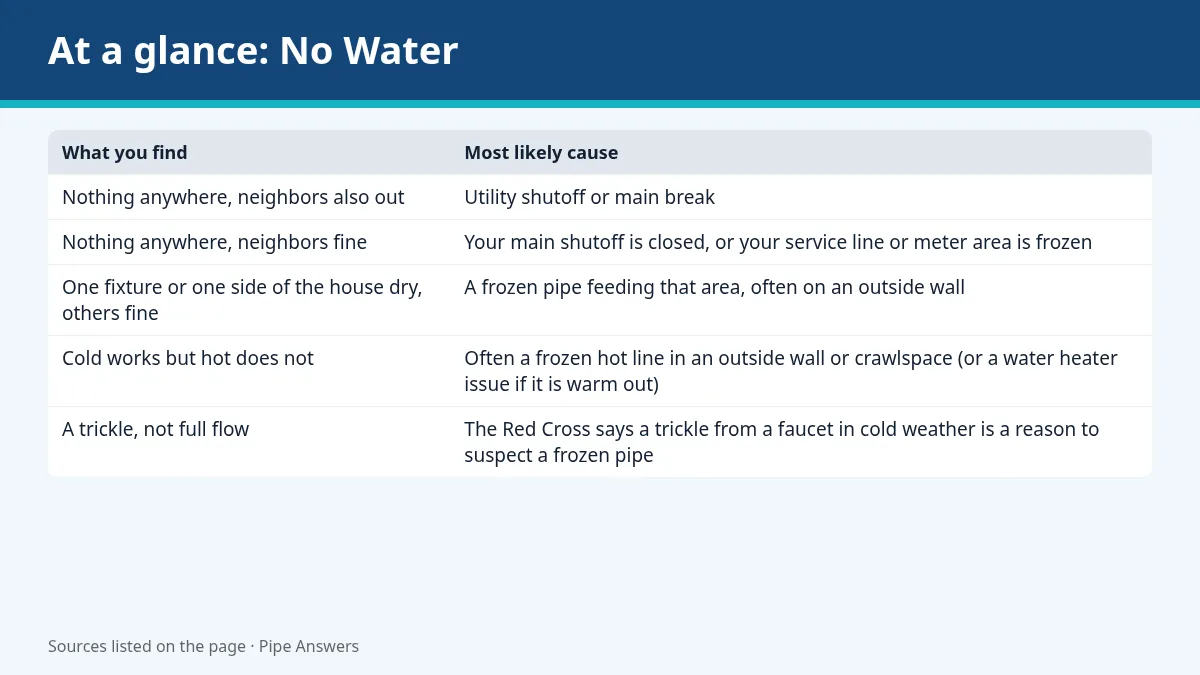
 No Water? How to Tell if Your Pipes Are Frozen or the Water Is Off
Neighbors have water but your faucets give nothing or a trickle in freezing weather? A pipe is probably frozen. How to check and how to thaw it safely.
-
 Water Pressure
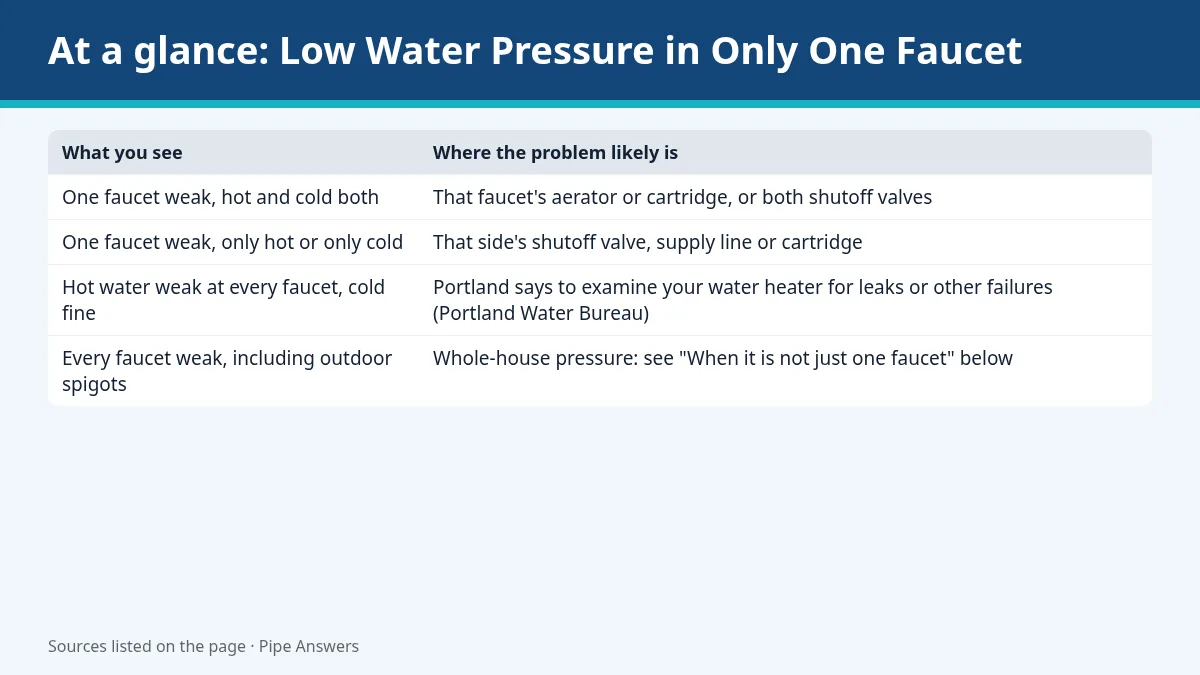
 Low Water Pressure in Only One Faucet? Check These 4 Things
If only one faucet is weak, the problem is in that faucet or its supply, not your home's pressure. Check the aerator, shutoff valves, then the cartridge.
-
 Toilets
 Why Does My Toilet Run Every Few Minutes? (Phantom Flush Fix)
A toilet that refills by itself every few minutes is leaking tank water into the bowl, often past a worn flapper. Confirm it with a dye test, then fix it.
-
 Water Heaters
 Why Does My Water Heater Keep Tripping the Breaker? Causes and What to Do
An electric water heater that keeps tripping its breaker usually has a shorted heating element, a wiring fault or a failing breaker. What to check safely.