Bathtub Stopper Not Working? Find Your Type and Fix It
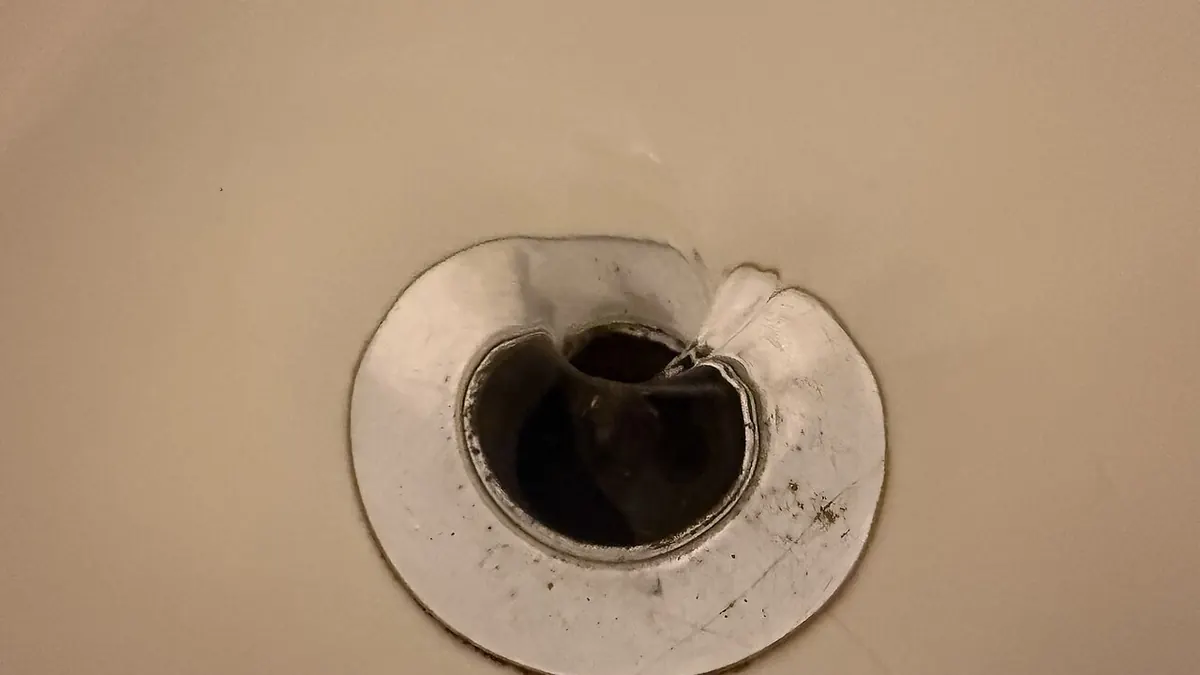
A bathtub stopper that will not hold water, will not open, or drains slowly is almost always one of three things: hair and soap wrapped around the stopper, a worn or loose seal, or linkage behind the overflow plate set to the wrong length. None of them needs a new drain. The fix depends on which type you have, so start there.

✓ Checked by a licensed plumber Kevin Orr, Texas Master Plumber License M-47441 (look it up)
Last reviewed
In this guide
- Step 1: which stopper do you have?
- Trip lever with a stopper in the drain: clean it and set the height
- Trip lever with no stopper in the drain: adjust the plunger linkage
- Push-pull and lift-and-turn stoppers: tighten, reseal or replace
- Buying a replacement: match three things
- When the stopper is fine but the tub still drains slowly
- When to call a plumber
- Frequently asked questions
- Sources
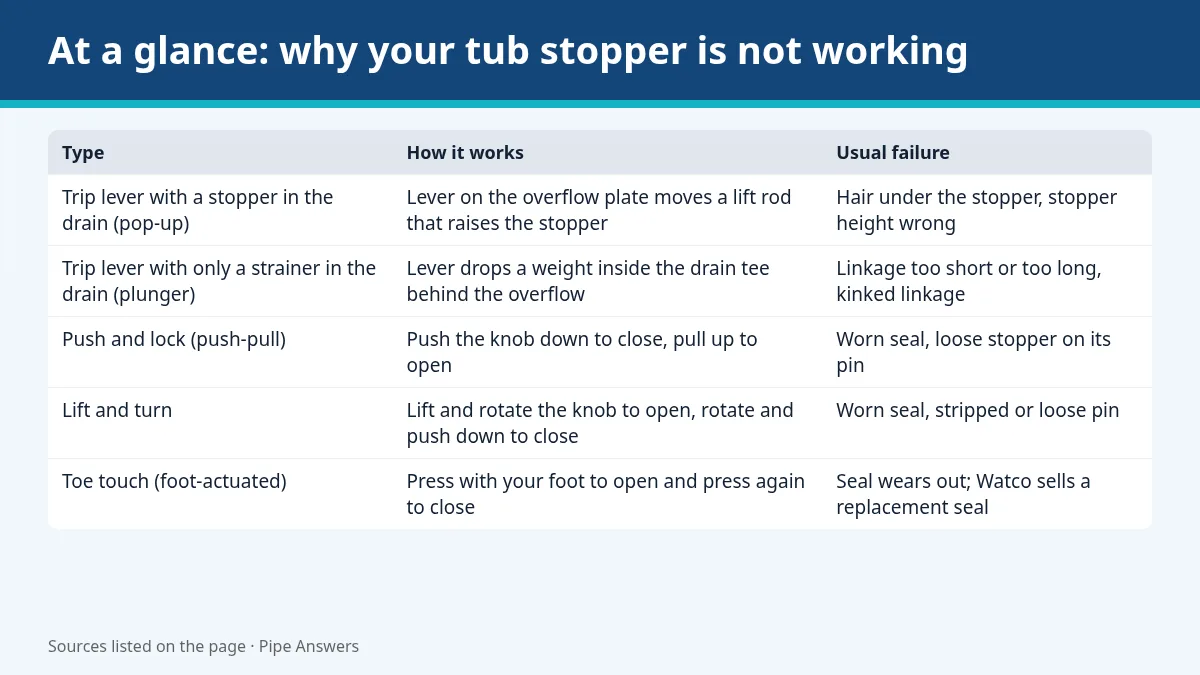 Graphic: summary of this guide, made by our team from the cited sources.
Step 1: which stopper do you have?
Moen sorts tub drains by how you operate them. These are the common kinds, and what usually goes wrong with each:
| Type | How it works | Usual failure | Where you fix it |
|---|---|---|---|
| Trip lever with a stopper in the drain (pop-up) | Lever on the overflow plate moves a lift rod that raises the stopper | Hair under the stopper, stopper height wrong | Pull stopper out of drain, adjust jam nut or linkage |
| Trip lever with only a strainer in the drain (plunger) | Lever drops a weight inside the drain tee behind the overflow | Linkage too short or too long, kinked linkage | Remove overflow plate, adjust or replace linkage |
| Push and lock (push-pull) | Push the knob down to close, pull up to open | Worn seal, loose stopper on its pin | From inside the tub |
| Lift and turn | Lift and rotate the knob to open, rotate and push down to close | Worn seal, stripped or loose pin | From inside the tub |
| Toe touch (foot-actuated) | Press with your foot to open and press again to close | Seal wears out; Watco sells a replacement seal | From inside the tub |
Quick test: if the lever on the overflow plate moves and something visible in the drain moves with it, you have a pop-up stopper. If the lever moves but the drain only has a flat strainer, you have a plunger drain.
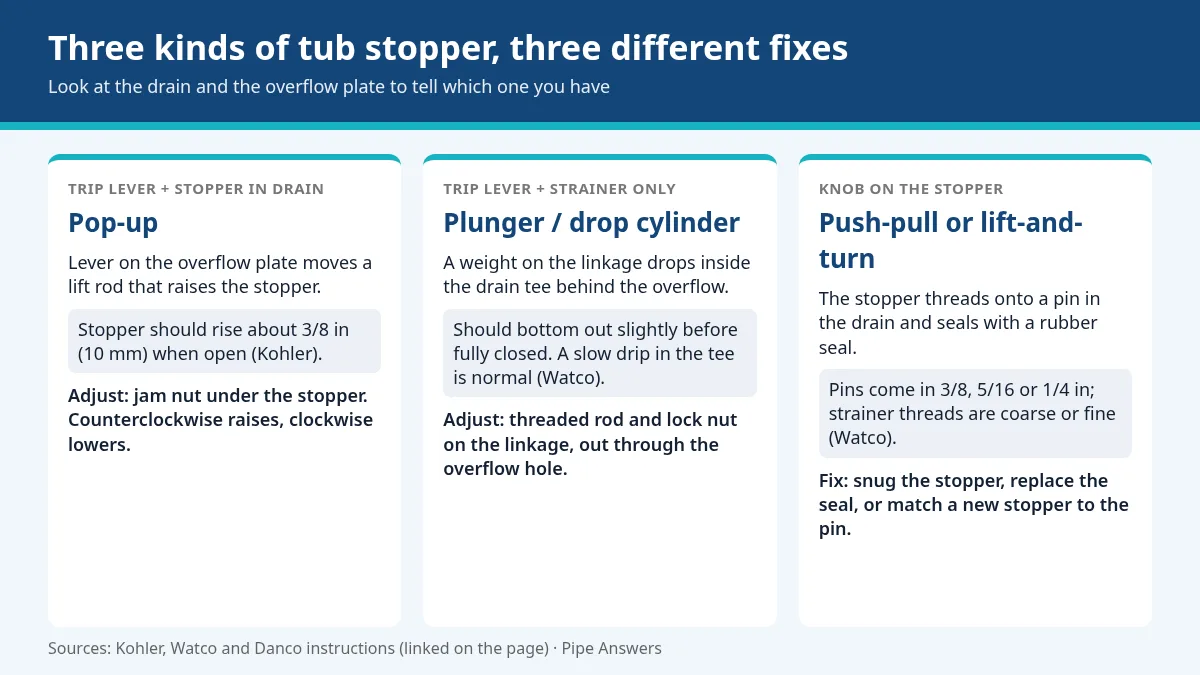 Graphic: made by our team from the Kohler, Watco and Danco instructions linked on this page.
Trip lever with a stopper in the drain: clean it and set the height
This is the type most people mean when they say the stopper "doesn't work." Kohler's version uses a lift rod behind the overflow, with a spring and a lift toggle, to push the stopper up and let it drop.
- Flip the lever to open and lift the stopper assembly out of the drain.
- Clear the hair and soap off the stopper and the part below it. This alone fixes most slow-draining or sticky stoppers.
- Put it back with the lever in the closed position, as Kohler's installation guide specifies, then open the lever. Kohler says the stopper should rise about 3/8 inch (10 mm) above the strainer.
- If it does not rise enough, or does not seal when closed, take it out and loosen the jam nut under the stopper. Kohler: turn the nut counterclockwise to raise the stopper, clockwise to lower it. Tighten the jam nut and test again.
- If the stopper alone cannot be adjusted far enough, the lift rod behind the overflow needs changing. Remove the overflow screws, pull the lift rod assembly out, loosen its locknut and turn the turnbuckle: counterclockwise lengthens the rod, clockwise shortens it. Tighten the locknut, reinstall it and check the clearance.
Trip lever with no stopper in the drain: adjust the plunger linkage
Here the part that blocks the water is hidden. A brass weight (Watco calls it a drop cylinder, Danco calls it a plunger) hangs from the linkage inside the overflow pipe and drops into the drain tee when you close the lever.
- Tub will not hold water: the plunger is not dropping far enough to block the tee, so the linkage needs to be longer.
- Tub drains slowly even when open: clean the plunger first, since hair wrapped around it is common. If it is clean, the linkage may be set so long that the plunger still partly blocks the tee when open, so shorten it a little.
How to do it:
- Take out the screws on the overflow plate and pull the whole assembly (plate, lever, linkage and plunger) straight out of the overflow hole. No wall access is needed.
- Clean hair and slime off the plunger and the linkage.
- Change the length. On the Danco trip lever, you turn the threaded rod up or down to set the plunger height, then tighten the lock nut to hold it (Danco instructions). Watco's Quick Adjust version uses a nut on a threaded rod at the linkage clevis, and its Slip Lock version has a release button for sliding the drop cylinder longer or shorter.
- Reinstall it. Watco's instructions warn to make sure the brass linkage is not kinked.
- Test with the tub filled. Watco says the drop cylinder should bottom out inside the tee slightly before the lever reaches fully closed, and a slow drip from inside the tee is normal and acceptable. If water drains noticeably, lengthen the linkage one more step.
Replacing a trip-lever linkage follows the same route: the new assembly goes in through the overflow hole and is set to length the same way. Bring the old one to the store so the type and length match.
Push-pull and lift-and-turn stoppers: tighten, reseal or replace
These sit directly in the drain on a threaded pin. Watco's lift-and-turn parts sheet shows the pieces: a knob, a threaded pin, a ring, the stopper itself, a seal about 1-1/16 inch across, and the strainer body it all threads into.
- Stopper wobbles or will not stay down: it has worked loose on its pin. Snug it back down by hand; if the pin threads are stripped, replace the pin or the stopper.
- Tub slowly drains with the stopper closed: the seal is worn or hardened. Watco lists replaceable seals for its lift-and-turn, push-pull and foot-actuated stoppers, so you may not need a whole new stopper.
- Stopper is stuck closed: hair is often packed under it. Unscrew it, clean the pin and strainer, and refit it.
Buying a replacement: match three things
The most common mistake is buying a stopper that does not fit the drain you already have. From Watco's replacement stopper sheet and parts lists:
- Operation type. A push-pull stopper is not a lift-and-turn stopper, even if they look alike.
- Pin size. Watco offers stoppers for 3/8 inch, 5/16 inch and 1/4 inch pins.
- Strainer threads. If you replace the whole strainer body, Watco makes coarse-thread (1.865 inch, 11.5 threads per inch) and fine-thread (1.625 inch, 16 threads per inch) bodies. They are not interchangeable.
Taking the old stopper, or a clear photo of it next to a ruler, to the store solves most of this.
When the stopper is fine but the tub still drains slowly
If the stopper lifts fully (or the plunger is clean and set right) and the tub still drains slowly, the clog is further down the drain. Hair past the tee is common. A bad smell along with a slow drain usually points to buildup in the trap; our guide to why a bathtub drain smells bad covers cleaning it. If the tub clogs again every few weeks, see why a drain keeps clogging.
When to call a plumber
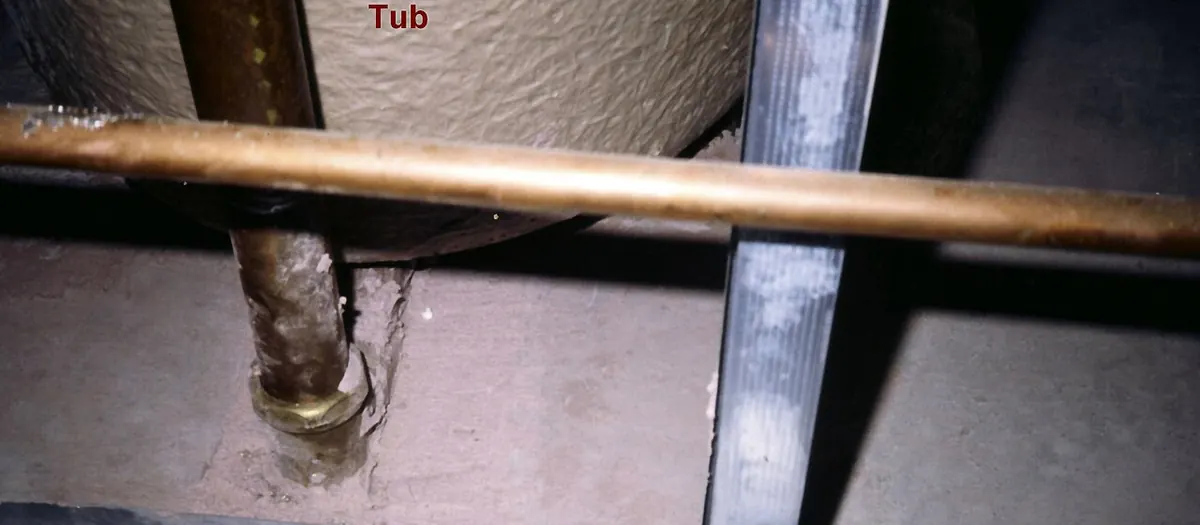
- Water shows up on the ceiling below the tub or on the floor beside it, which can mean the overflow gasket or the drain shoe under the tub is leaking. That needs access to the pipes behind or below the tub.
- The strainer body is corroded, cracked or spins when you try to unscrew the stopper.
- The overflow plate screws are seized and the assembly will not come out.
- You have replaced the stopper and linkage and the tub still will not hold water.
Frequently asked questions
Why won't my bathtub stopper stay closed?
On a trip-lever drain, the linkage behind the overflow plate is usually set too short, so the stopper or plunger never seats. Pull the assembly out through the overflow and lengthen it. On a push-pull or lift-and-turn stopper, a worn seal or a loose stopper is the usual cause; Watco sells replaceable seals for these.
How high should a tub stopper rise when open?
Kohler's instructions for its trip-lever bath drain say the stopper should rise about 3/8 inch (10 mm) above the strainer when the drain is open. Less than that drains slowly; you adjust it with the jam nut under the stopper.
Do I need to open the wall to replace the tub stopper linkage?
No, not for the linkage itself. The trip lever, linkage and plunger or rocker arm come out through the overflow opening after you remove the overflow plate screws. Wall or ceiling access is only needed if the drain pipes behind the tub leak.
My trip lever has no stopper in the drain. How does it close?
That is a plunger or drop-cylinder drain. A weight on the end of the linkage drops inside the drain tee, behind the overflow, to block the water. Watco says it should bottom out slightly before the lever is fully closed, and a slow drip inside the tee is normal.
How do I know which replacement stopper to buy?
Match the type and the size. Watco lists push-pull and lift-and-turn stoppers with 3/8, 5/16 or 1/4 inch pins, and strainer bodies with coarse (1.865 inch, 11.5 threads) or fine (1.625 inch, 16 threads) threads. Take the old stopper with you.
Smell gas? Leave the building without switching anything on or off, then call your gas utility or 911 from outside.
Know your shutoff. Find your home’s main water shutoff before you need it. Most fixtures also have their own small valve.
Sources
- Tub and Shower Drains: How to Identify the Types, Moen
- Installation Guide, Bath Drain 1409060-2, Kohler (PDF)
- Trip Lever Installation Instructions, Watco (PDF)
- Instructions for Bath Drain Assembly, Trip Lever 51932, Danco (PDF)
- Replacement Stoppers Specification Sheet, Watco (PDF)
- Lift and Turn Tub Closures Specification Sheet, Watco (PDF)
Spotted an error? See our corrections policy or email contact@pipeanswers.com.

Pipe Answers Editorial Team
Our editors build each guide from the sources listed above and check every claim and number against them before publishing. How the team works
Kevin Orr
Expert Reviewer, Plumbing
Texas Master Plumber License, M-47441 · Verify license
Kevin Orr is a Texas Master Plumber, a U.S. Army veteran and the owner of a plumbing company. In his view, good plumbing is more than fixing pipes. It means showing up when you say you will, explaining what needs to…
Related guides
-
 Drains & Clogs
How to Tell If Your AC Condensate Drain Line Is Clogged
An AC that shuts off on a hot day, water in the drain pan, or a pipe dripping over a window are the main signs of a clogged condensate line. Checks from Trane, Carrier and Lennox.
-
 Drains & Clogs
How to Tell If Your Garbage Disposal Is Bad (or Just Jammed)
Humming, tripping, smells and most leaks are fixable. A disposal is bad when it leaks through the body or motor joint, or still won't run after a reset. Tests from InSinkErator, Waste King and Moen.
-
 Drains & Clogs
Bathroom Sink Draining Slowly? Fix It in 4 Steps (and Replace the Pop-Up)
A slow bathroom sink is usually clogged at the pop-up stopper or the P-trap. How to pull and clean the stopper, plunge the right way, clear the trap, and replace a worn pop-up drain.
-
 Drains & Clogs
Shower Drain Clogged but No Hair? 6 Other Causes and Fixes
No hair in the strainer but the shower still drains slowly? Soap curd, hard water scale, drain slime, grit and venting problems are the usual causes. How to find yours and clear it safely.