Why Does My Bathtub Drain Smell Bad? Causes by Smell, and Fixes
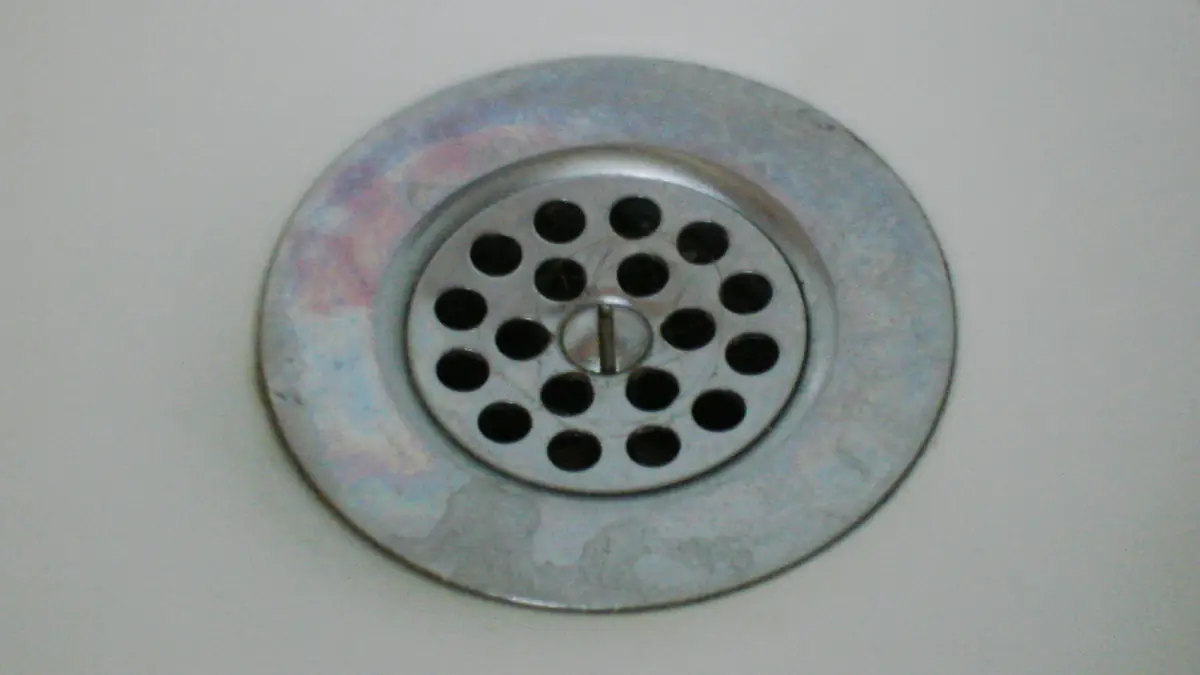
A bathtub drain usually smells for one of three reasons: hair and soap scum rotting inside the drain and stopper, a trap that has lost its water seal, or a venting problem that pulls the seal out. A rotten-egg smell can also come from your water, not the drain: North Dakota State University says a rotten-egg odor only from the hot water tap points to sulfates in the water reacting with the water heater's magnesium anode (NDSU Extension's water quality note on rotten-egg odor from the hot tap).

✓ Checked by a licensed plumber Kevin Orr, Texas Master Plumber License M-47441 (look it up)
Last reviewed
In this guide
A quick test separates them. The Minnesota Department of Health guide to hydrogen sulfide in water suggests smelling the water from the hot and cold faucets after you have been away from home for a few hours. Fill a glass of each from the tub spout, step away from the drain and smell them. If the water smells, it is a water problem. If the water is fine and the smell is at the drain, it is a drain problem.
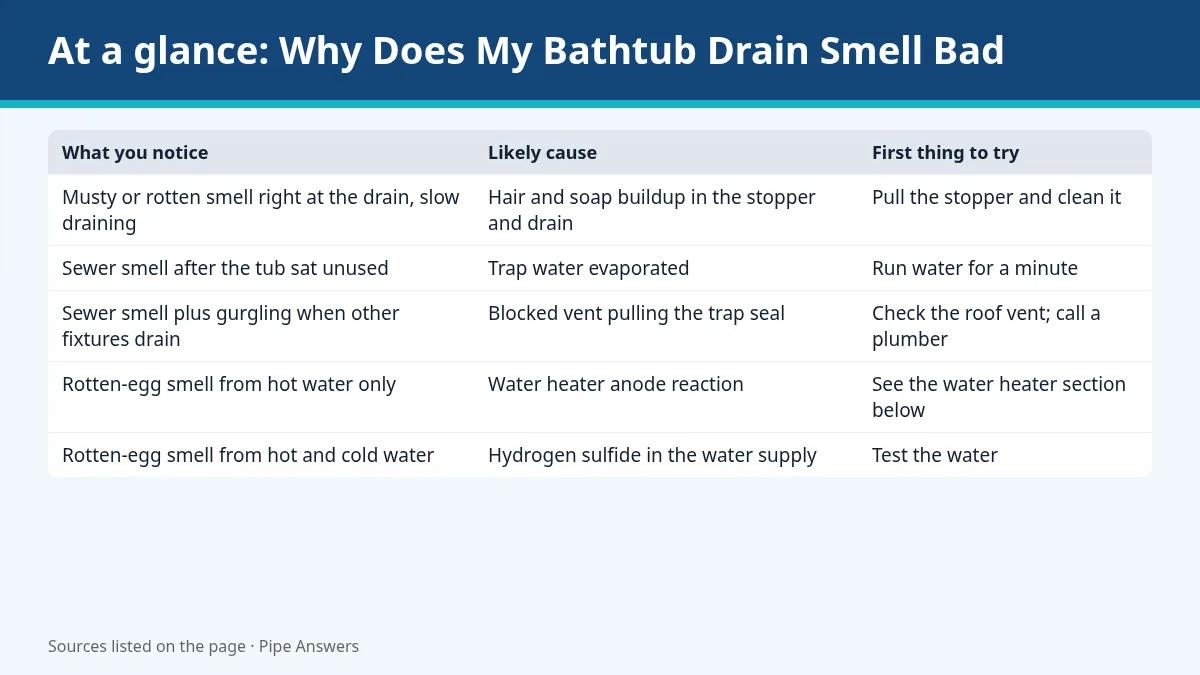 Graphic: summary of this guide, made by our team from the cited sources.
Match the smell to the cause
| What you notice | Likely cause | First thing to try |
|---|---|---|
| Musty or rotten smell right at the drain, slow draining | Hair and soap buildup in the stopper and drain | Pull the stopper and clean it |
| Sewer smell after the tub sat unused | Trap water evaporated | Run water for a minute |
| Sewer smell plus gurgling when other fixtures drain | Blocked vent pulling the trap seal | Check the roof vent; call a plumber |
| Rotten-egg smell from hot water only | Water heater anode reaction | See the water heater section below |
| Rotten-egg smell from hot and cold water | Hydrogen sulfide in the water supply | Test the water |
Sources: water heater and supply causes from NDSU and the Minnesota Department of Health; traps and vents from the Wisconsin Department of Health Services sewer gas page.
Cause 1: Gunk in the drain and stopper
Hair, soap and skin cells collect on the stopper linkage and the first few inches of pipe, and bacteria grow on it. You will often see slower draining too.
- Remove the stopper. Many lift-and-turn and push-pull stoppers unscrew. Trip-lever stoppers usually come out through the overflow opening once you remove the cover plate screws. Check your tub maker's instructions if you are not sure which type you have.
- Pull out the hair and slime with gloves, or use a plastic drain hair tool.
- Scrub the stopper and the drain opening with an old toothbrush and dish soap.
- Run hot water for a minute and check the smell.
Cause 2: A dry or damaged trap
Every tub has a trap below it that holds water to block sewer gas. The International Plumbing Code requires each fixture trap to hold a water seal of at least 2 inches and no more than 4 inches (Section 1002.4 of the International Plumbing Code, Chapter 10). Local codes may differ. In a guest bath that isn't used for weeks, that water can evaporate. The City of North Royalton says normal use keeps traps full and recommends running water through drains you don't use often (City of North Royalton sewer odor tips).
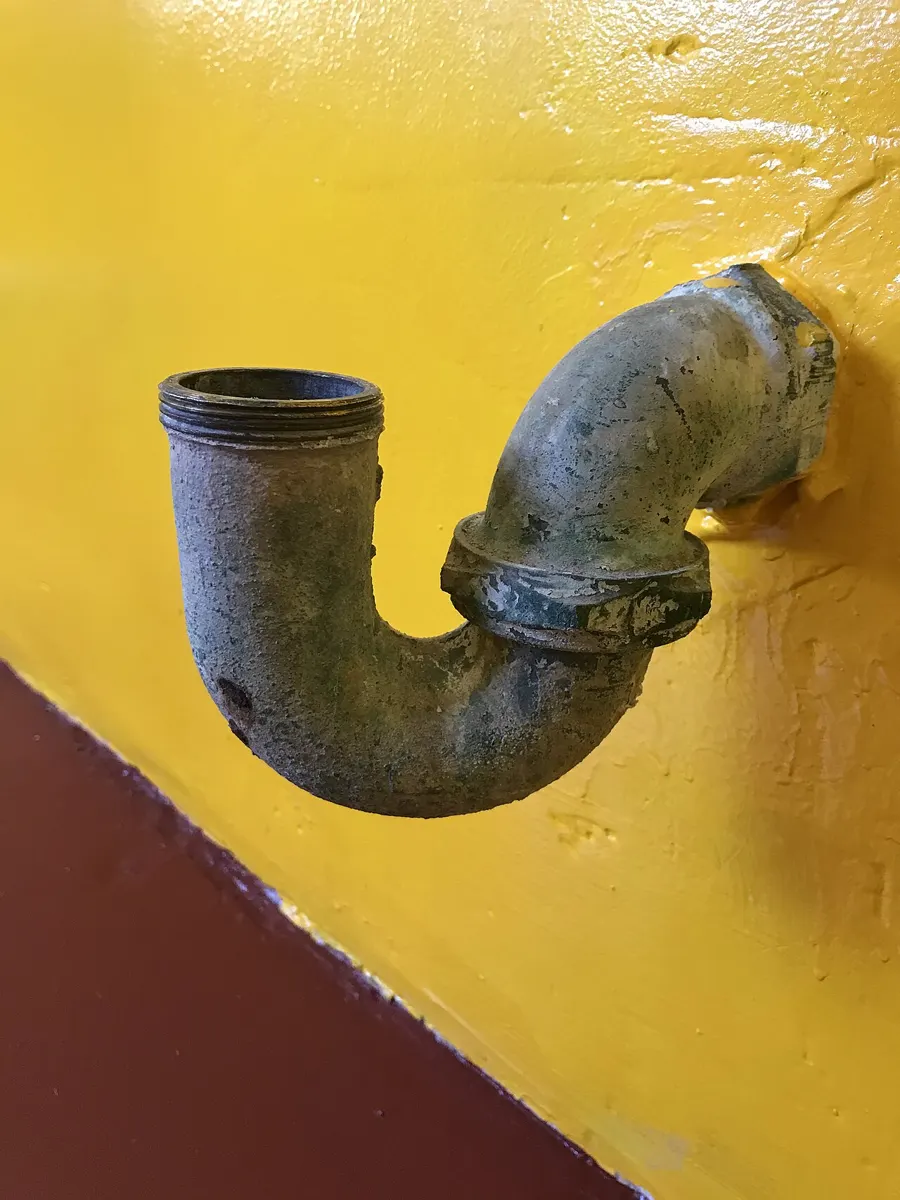
If the smell comes back soon after you refill the trap, the trap or drain pipe may be leaking, or the drain may be losing its seal to a vent problem. The same idea applies under a sink: our guide on how to clean a smelly P-trap under the kitchen sink shows how to take a trap apart and clean it.
Cause 3: A vent problem
Drains need air from the plumbing vent on your roof. If the vent is blocked, water rushing down another drain can suck the water out of the tub trap. The sign is gurgling in the tub when a toilet flushes or a sink drains. The Wisconsin Department of Health Services lists a leaking or blocked roof plumbing vent as one way sewer gas enters a home, and suggests checking the vent occasionally for leaves or bird nests. Roof work is risky, so a plumber is the safer choice for clearing a vent.
Cause 4: The water heater or the water supply
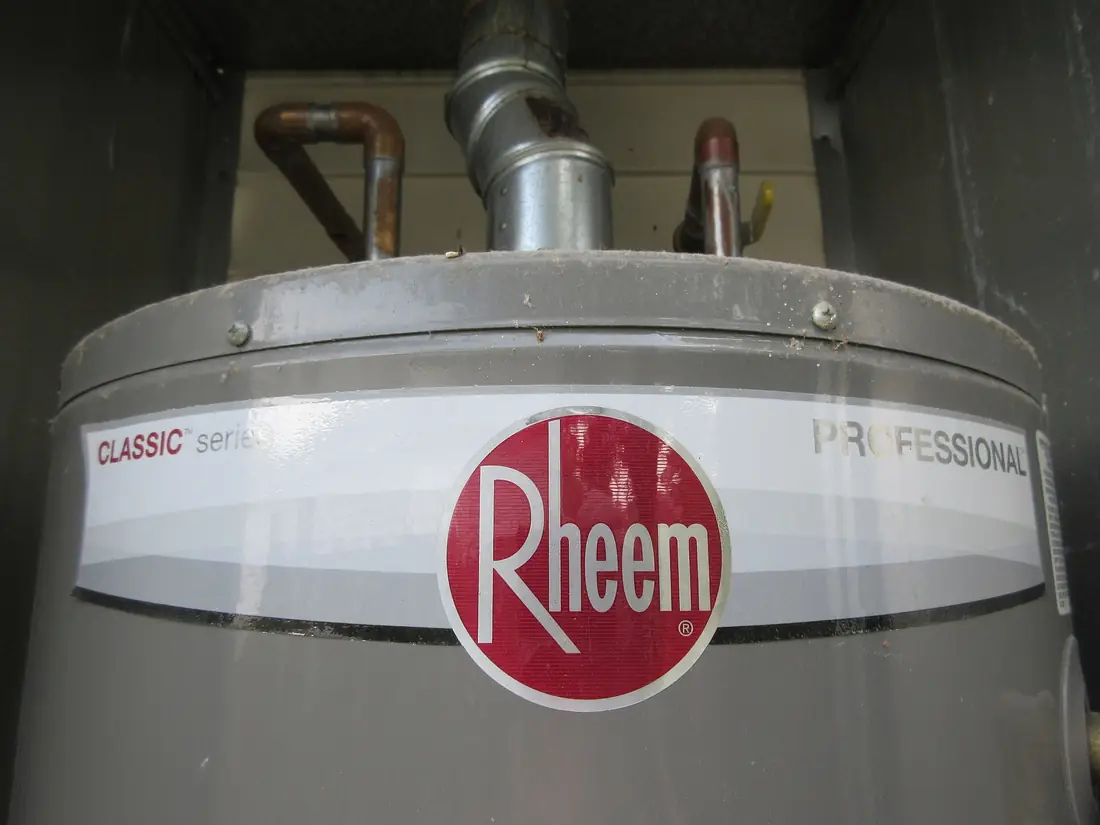
If only the hot water smells like rotten eggs, NDSU says that points to sulfates in the water reacting with the water heater's magnesium anode rod. Its suggested fix is to remove the anode or replace it with an aluminum one, and to have the water tested first. The Minnesota Department of Health recommends having a plumber or water system professional do this work unless you are very familiar with water heaters. If both hot and cold water smell and you are on a well, the Minnesota health department lists the groundwater, the well or the plumbing system as possible sources, so test the water before you buy treatment.
If the water heater has other problems, our guide to a water heater that keeps tripping the breaker covers electric units.
When the smell is a safety issue
A strong, persistent sewer smell is not just unpleasant. The Wisconsin Department of Health Services says hydrogen sulfide can cause eye and breathing irritation, headaches, dizziness and nausea, and at high concentrations it can interfere with your sense of smell, so you can no longer rely on the odor as a warning. It advises leaving the building and calling the fire department if you believe sewer gas levels are high in an enclosed space.
If more than one drain smells, or the smell comes with slow drains throughout the house, see why a drain keeps clogging and consider a plumber.
Frequently asked questions
Why does my bathtub drain smell like rotten eggs?
Rotten-egg smell is hydrogen sulfide. It can come from sewer gas getting past a dry or damaged trap, from bacteria in gunk inside the drain, or from your water itself. Smell the hot and cold water from a faucet to rule out the water heater.
Is a smelly tub drain dangerous?
A faint drain smell is mostly a nuisance. Strong, constant sewer gas is different: the Wisconsin Department of Health Services says hydrogen sulfide can cause headaches, dizziness and nausea, and at high levels it can interfere with your sense of smell.
Why does my tub smell only when I haven't used it for a while?
The water in the trap evaporates when a tub sits unused. Without that water seal, sewer gas can come up the drain. Running water into the drain refills it; the City of North Royalton says a gallon is enough to fill a trap.
Will bleach fix a smelly drain?
It may mask it briefly. The smell usually comes from hair and soap buildup in the drain or stopper, which has to be removed.
Smell gas? Leave the building without switching anything on or off, then call your gas utility or 911 from outside.
Know your shutoff. Find your home’s main water shutoff before you need it. Most fixtures also have their own small valve.
Sources
- Air: Sewer Gas, Wisconsin Department of Health Services
- Rotten egg odor only from the hot water tap, North Dakota State University Water Quality
- Why Does My Water Smell Like Rotten Eggs? Hydrogen Sulfide and Sulfur Bacteria in Well Water, Minnesota Department of Health
- Tips for Reducing Household Sewer Odor, City of North Royalton Wastewater Department
- International Plumbing Code 2021, Chapter 10: Traps, Interceptors and Separators, International Code Council
Spotted an error? See our corrections policy or email contact@pipeanswers.com.

Pipe Answers Editorial Team
Our editors build each guide from the sources listed above and check every claim and number against them before publishing. How the team works
Kevin Orr
Expert Reviewer, Plumbing
Texas Master Plumber License, M-47441 · Verify license
Kevin Orr is a Texas Master Plumber, a U.S. Army veteran and the owner of a plumbing company. In his view, good plumbing is more than fixing pipes. It means showing up when you say you will, explaining what needs to…
Related guides
-
 Drains & Clogs
How to Tell If Your AC Condensate Drain Line Is Clogged
An AC that shuts off on a hot day, water in the drain pan, or a pipe dripping over a window are the main signs of a clogged condensate line. Checks from Trane, Carrier and Lennox.
-
 Drains & Clogs
Bathtub Stopper Not Working? Find Your Type and Fix It
Most tub stoppers fail from hair, a loose or worn seal, or linkage set at the wrong length. Identify your stopper type, then adjust or replace it using Kohler, Watco and Danco instructions.
-
 Drains & Clogs
How to Tell If Your Garbage Disposal Is Bad (or Just Jammed)
Humming, tripping, smells and most leaks are fixable. A disposal is bad when it leaks through the body or motor joint, or still won't run after a reset. Tests from InSinkErator, Waste King and Moen.
-
 Drains & Clogs
Bathroom Sink Draining Slowly? Fix It in 4 Steps (and Replace the Pop-Up)
A slow bathroom sink is usually clogged at the pop-up stopper or the P-trap. How to pull and clean the stopper, plunge the right way, clear the trap, and replace a worn pop-up drain.