How to Clean a Smelly P-Trap Under the Kitchen Sink
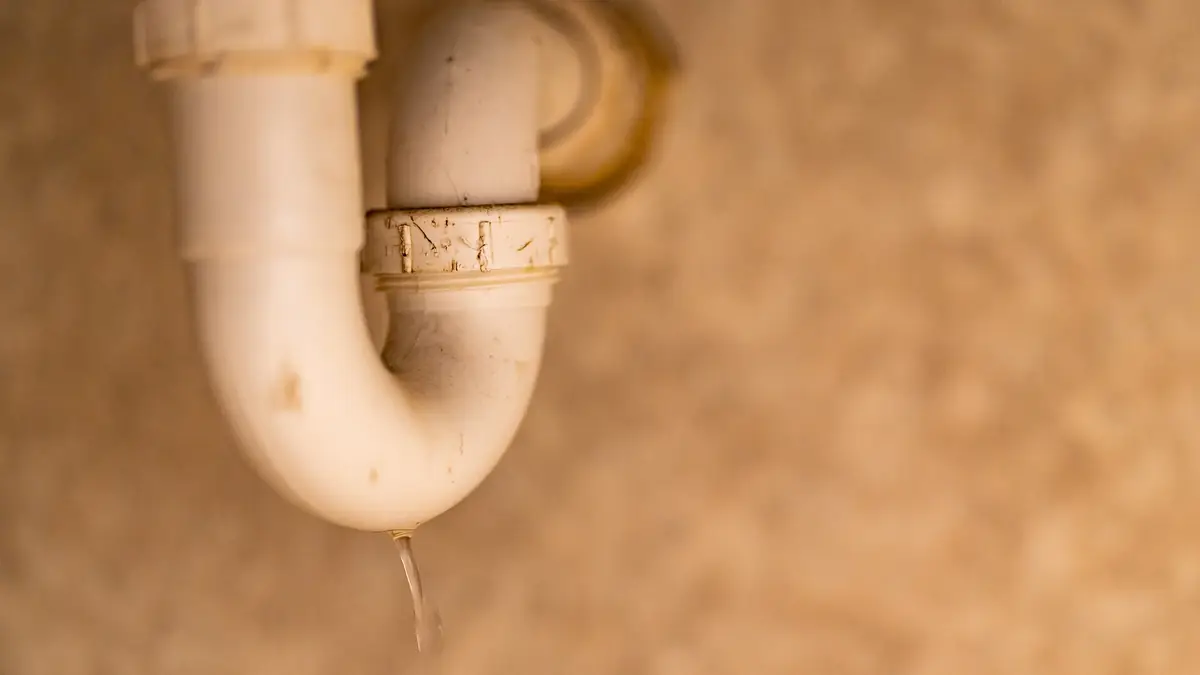
A smelly kitchen sink usually has grease and food rotting in the P-trap, the U-shaped pipe under the sink. You can take it off, clean it and put it back in about 20 minutes with a bucket, gloves and a pair of slip-joint pliers. Seattle Public Utilities says cooking grease rinsed down the drain hardens and sticks to pipes, building up over time (Seattle Public Utilities), and the trap's bend is where it collects first.

✓ Checked by a licensed plumber Kevin Orr, Texas Master Plumber License M-47441 (look it up)
Last reviewed
In this guide
The trap has a second job: it holds water that blocks sewer gas. The International Plumbing Code requires each fixture trap to hold a water seal of 2 to 4 inches (ICC IPC Chapter 10). So a trap that leaks, or one that was put back wrong, can also cause a sewer smell.
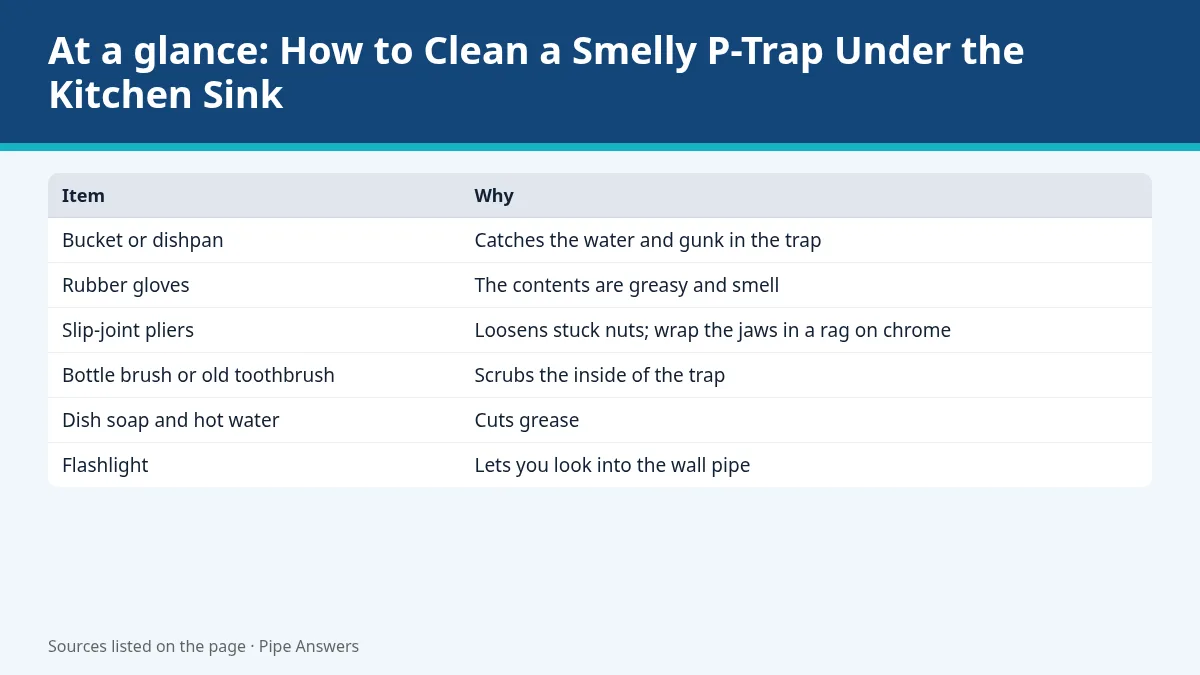 Graphic: summary of this guide, made by our team from the cited sources.
What actually builds up in the trap
Seattle Public Utilities lists the foods that cause kitchen drain clogs (Seattle Public Utilities):
- Bacon grease and meat drippings
- Butter, margarine and cooking oils
- Gravy, sauces, soups and fatty leftovers
- Dairy such as milk, cream and cheese
- Oils that harden when cool, such as olive oil and coconut oil
Some common habits make it worse. Seattle says hot water and soap do not dissolve grease; it cools and sticks farther down the pipe. A garbage disposal only breaks food into smaller pieces, and grease still clogs. Spoiled milk is a liquid but solidifies over time (Seattle Public Utilities). Food scraps from a disposal can also clog pipes (Seattle Public Utilities).
That mix of fat and food sits in the bend of the trap. InSinkErator describes kitchen sink odor as coming from bacteria that form on food waste (InSinkErator).
What you need
| Item | Why |
|---|---|
| Bucket or dishpan | Catches the water and gunk in the trap |
| Rubber gloves | The contents are greasy and smell |
| Slip-joint pliers | Loosens stuck nuts; wrap the jaws in a rag on chrome |
| Bottle brush or old toothbrush | Scrubs the inside of the trap |
| Dish soap and hot water | Cuts grease |
| Flashlight | Lets you look into the wall pipe |
Step-by-step
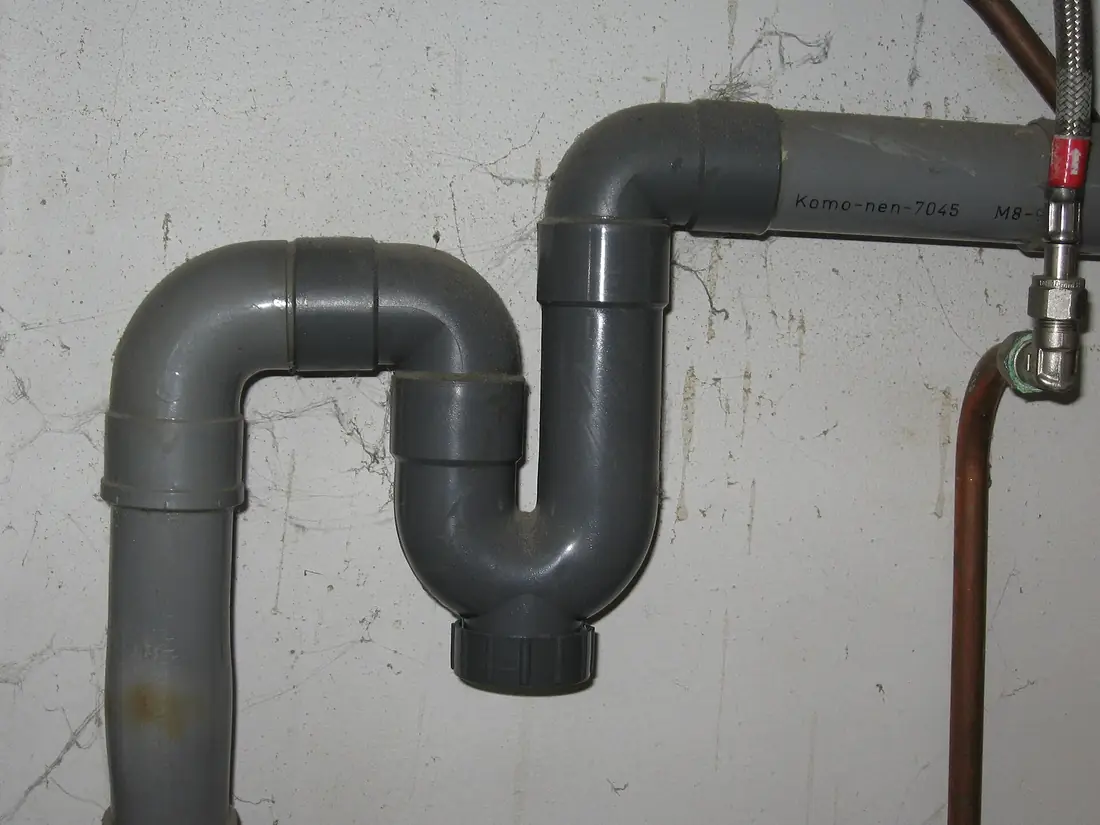
- Clear the cabinet and put the bucket under the trap. Don't run water while the trap is off.
- Loosen the two slip nuts. One is on top where the trap meets the sink tailpiece; the other is where the trap meets the pipe going into the wall. Turn them counterclockwise by hand, or with pliers if stuck.
- Pull the trap down and empty it into the bucket. Note which way the washers face; the beveled side usually faces the joint.
- Scrub the trap with hot water, dish soap and a brush, outside or in a utility sink. Don't wash it in a sink that drains through the trap you just removed.
- Look into the wall pipe with a flashlight. If it's lined with grease, scrape out what you can reach or run a small hand auger in a few feet.
- Reinstall the trap, washers in place, and hand-tighten the nuts.
- Run water for a minute and check both joints for drips. Tighten a little more if needed.
If you have a garbage disposal
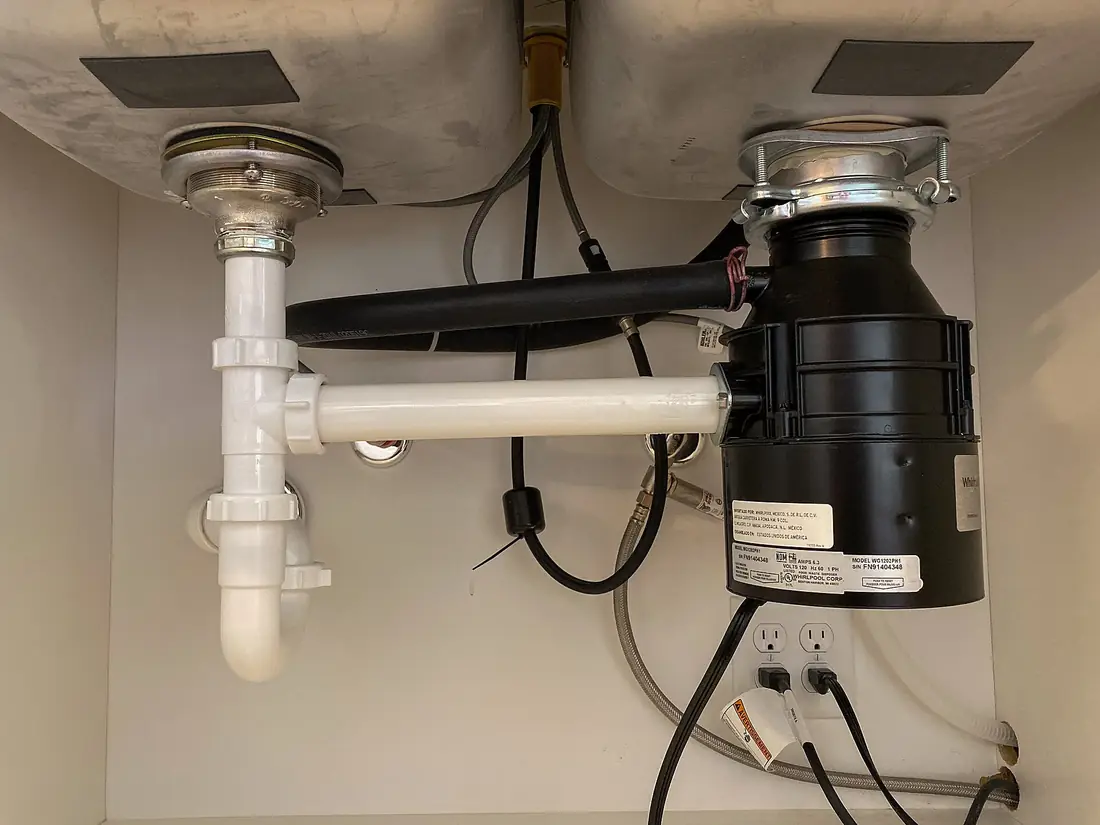
The disposal itself can smell. InSinkErator suggests cleaning the underside of the rubber baffle and the inside of the grind chamber's upper lip with a scouring pad, with the power off and your hand never inside the disposal, and then running the disposal with a mixture of 1/4 cup of baking soda and water (InSinkErator). It also says to run cold water while grinding and never put grease into the disposal.
Cleaning without taking the trap apart
If the nuts won't budge or you'd rather not open the pipe, try plunging first. InSinkErator's method for a kitchen sink (InSinkErator):
- On a double sink, block the other drain with a stopper so the pressure doesn't escape.
- Fill the sink with about 4 inches of water.
- Put a sink plunger over the drain, press down slowly and gently, then pull up quickly. Repeat several times.
- When the water drains, run water for a minute or two.
Plunging can push out a soft clog but won't scrub grease off the trap walls. If the smell returns within days, take the trap off and clean it.
Skip the harsh chemicals
Poison Control warns that many drain cleaners contain highly concentrated acidic or alkaline chemicals that must be used with great caution, and that swallowing them can cause serious burns (Poison Control). Never open a trap that has drain cleaner in it. Cleaning the trap by hand is safer and works better on a smell.
If you do use a drain cleaner on a different job, Poison Control says to wear goggles and rubber gloves, pour carefully and close to the drain to avoid splashing, and keep the container closed and out of children's reach (Poison Control).
How to keep the trap from smelling again
- Wipe pans before washing. Seattle says small amounts of cooled grease can be wiped up with paper towels and put in the compost, and larger amounts scraped into a lidded container for the garbage (Seattle Public Utilities).
- Use a sink strainer and empty it into the compost or trash (Seattle Public Utilities).
- Run cold water with the disposal. InSinkErator says to run a moderate flow of cold water while grinding and for a few seconds after, and to avoid hot water while grinding (InSinkErator).
- Never pour grease or fat into the disposal or drain (InSinkErator).
- Clean the disposal baffle every so often, using the steps above.
If the smell is still there
- The trap leaks. A slow drip into the cabinet means the water seal may be dropping. Reseat the washers.
- The sink is rarely used. North Royalton says normal use keeps traps full and recommends running water through drains that aren't used often (North Royalton).
- The smell is sewer gas, not food. If several drains smell even with clean, full traps, have a plumber check the drain lines and vents.
If the sink is also slow on both sides, see both sides of a kitchen sink draining slowly. If the same smell is coming from a basement drain, our guide to a basement floor drain sewer smell covers dry traps and cleanout plugs.
Frequently asked questions
Why does my P-trap smell?
Food scraps and grease collect in the bend of the trap and rot. The trap also holds the water that blocks sewer gas, so a trap that leaks or dries out can let sewer smell in.
Can I clean a P-trap without removing it?
You can flush it with hot water and dish soap, but that won't remove packed grease. Taking it off is the only way to see and scrub the inside.
How tight should I make the slip nuts?
Hand-tight, then a small extra turn with pliers if it drips. Plastic nuts crack if overtightened.
What if the smell is still there after cleaning?
Check the disposal, the dishwasher hose and the pipe going into the wall. If a sewer smell keeps returning with the trap clean and full, have a plumber check the drain line and vent.
Smell gas? Leave the building without switching anything on or off, then call your gas utility or 911 from outside.
Know your shutoff. Find your home’s main water shutoff before you need it. Most fixtures also have their own small valve.
Sources
- International Plumbing Code 2021, Chapter 10: Traps, Interceptors and Separators, International Code Council
- Fats, Oils, and Grease Clog Pipes, Seattle Public Utilities
- Fixing a Clogged Garbage Disposal, InSinkErator
- Tips for Reducing Household Sewer Odor, City of North Royalton Wastewater Department
- What's in Drain Cleaner?, Poison Control (National Capital Poison Center)
Spotted an error? See our corrections policy or email contact@pipeanswers.com.

Pipe Answers Editorial Team
Our editors build each guide from the sources listed above and check every claim and number against them before publishing. How the team works
Kevin Orr
Expert Reviewer, Plumbing
Texas Master Plumber License, M-47441 · Verify license
Kevin Orr is a Texas Master Plumber, a U.S. Army veteran and the owner of a plumbing company. In his view, good plumbing is more than fixing pipes. It means showing up when you say you will, explaining what needs to…
Related guides
-
 Drains & Clogs
How to Tell If Your AC Condensate Drain Line Is Clogged
An AC that shuts off on a hot day, water in the drain pan, or a pipe dripping over a window are the main signs of a clogged condensate line. Checks from Trane, Carrier and Lennox.
-
 Drains & Clogs
Bathtub Stopper Not Working? Find Your Type and Fix It
Most tub stoppers fail from hair, a loose or worn seal, or linkage set at the wrong length. Identify your stopper type, then adjust or replace it using Kohler, Watco and Danco instructions.
-
 Drains & Clogs
How to Tell If Your Garbage Disposal Is Bad (or Just Jammed)
Humming, tripping, smells and most leaks are fixable. A disposal is bad when it leaks through the body or motor joint, or still won't run after a reset. Tests from InSinkErator, Waste King and Moen.
-
 Drains & Clogs
Bathroom Sink Draining Slowly? Fix It in 4 Steps (and Replace the Pop-Up)
A slow bathroom sink is usually clogged at the pop-up stopper or the P-trap. How to pull and clean the stopper, plunge the right way, clear the trap, and replace a worn pop-up drain.