Why Is My Toilet Tank Sweating? Causes and How to Stop It
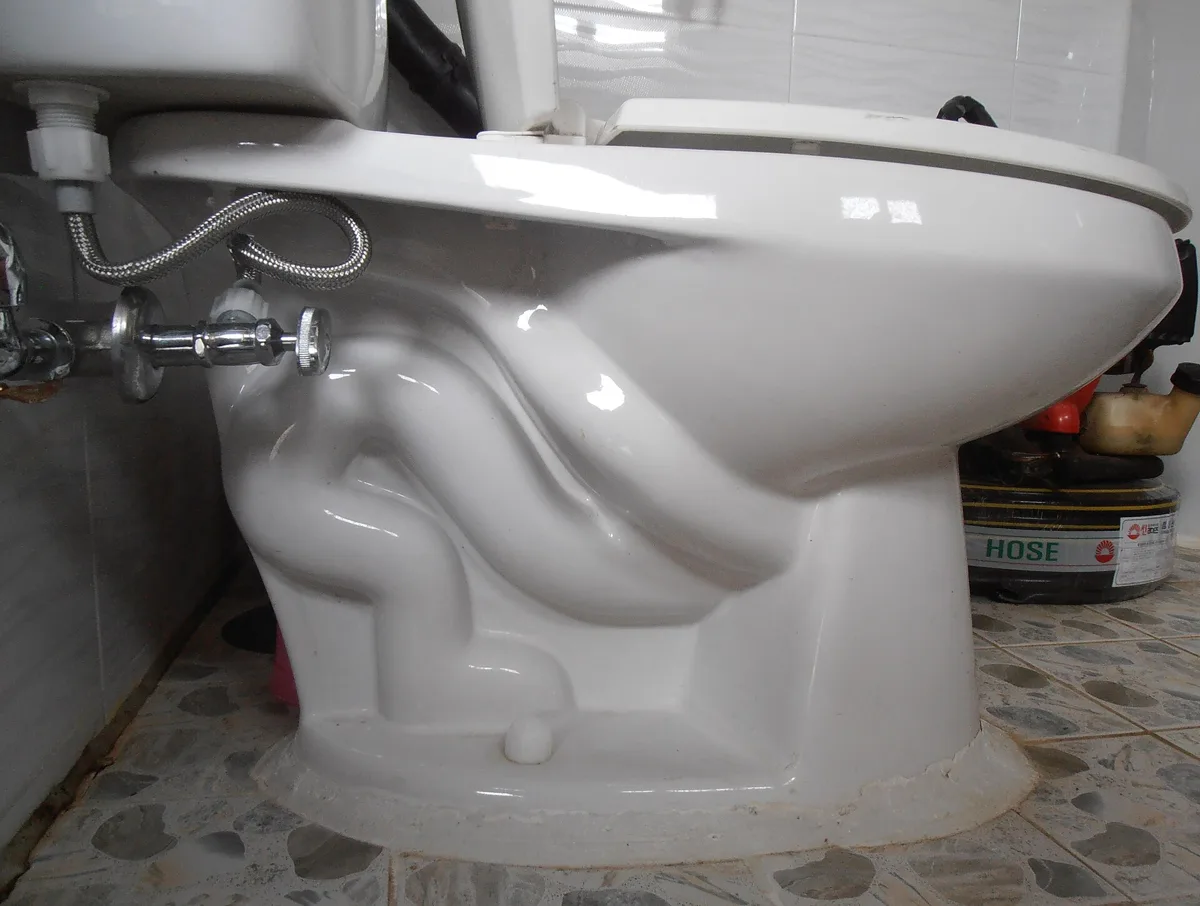
A sweating toilet tank is condensation. The tank is full of cold water from your supply line, and when warm, humid bathroom air touches the cold porcelain, the air cools and leaves its water vapor on the outside of the tank. Michigan State University Extension's bulletin on moisture problems in the home names toilet tanks as a common condensation spot during warm, humid months. Two things fix it: drier air in the bathroom, or a warmer tank.

✓ Checked by a licensed plumber Kevin Orr, Texas Master Plumber License M-47441 (look it up)
Last reviewed
In this guide
Before you treat it as sweat, make sure it is not a leak. A tank that sweats is wet all over its outer face, below the water line. A leak usually shows up in one spot, such as a tank bolt, the supply line nut or the base of the toilet.
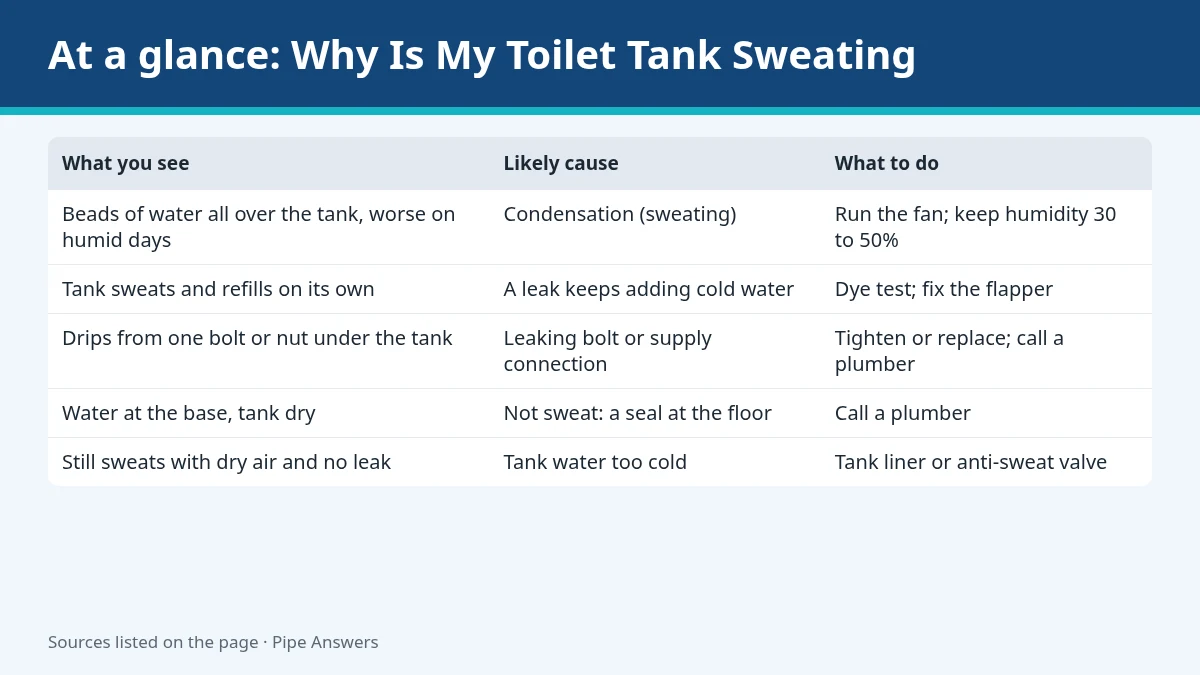 Graphic: summary of this guide, made by our team from the cited sources.
Sweat or leak? Check where the water is
Dry the tank, the bowl, the supply line and the floor with a towel. Then check back after a while and see where the water returns.
| What you see | Likely cause | What to do |
|---|---|---|
| Beads of water all over the tank, worse on humid days or after showers | Condensation (sweating) | Lower the humidity; see the fixes below |
| Tank sweats and the toilet refills on its own between flushes | A leak keeps adding cold water | Do the dye test and fix the flapper |
| Drips from one bolt or nut under the tank | Leaking tank bolt or supply connection | Tighten or replace the part, or call a plumber |
| Water at the base of the toilet with a dry tank above it | Not sweat: likely a seal at the floor | Call a plumber |
| Water level in the tank drops with the water off | Flapper or flush valve leak | Use the water level test |
Sources: condensation causes from Michigan State University Extension; dye test from EPA WaterSense; water level test from Fluidmaster. The "where the water is" check is our method.
Why the tank sweats: 4 causes
1. Humid air in the bathroom
Hot showers fill a small room with moisture. MSU Extension explains that warmer air can hold more water vapor, and when that air cools against a surface colder than the air, the extra vapor condenses on it. A toilet tank full of cold water is that cold surface. The EPA's guide to mold, moisture and your home says condensation can be a sign of high humidity, and recommends keeping indoor humidity below 60 percent, ideally between 30 and 50 percent.
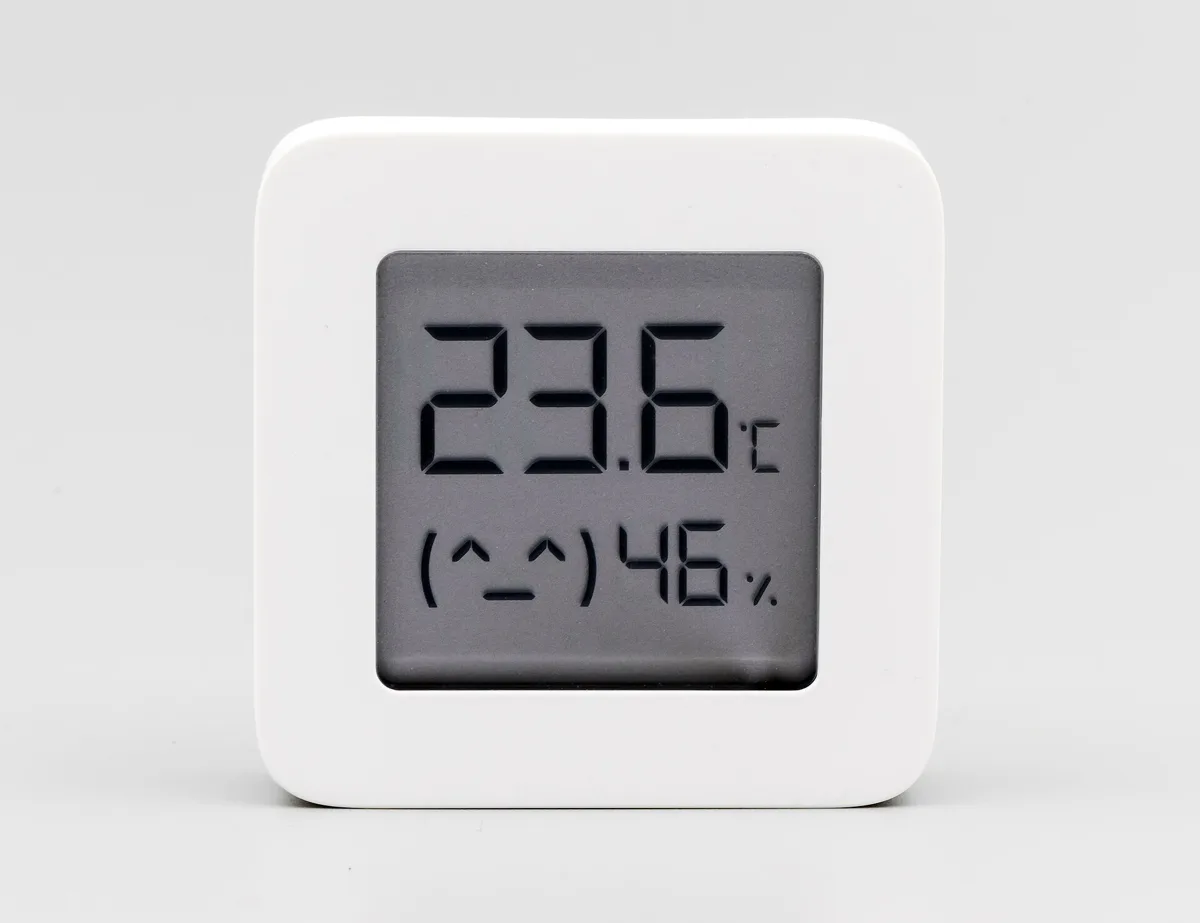
The EPA says a humidity meter is a small, inexpensive instrument (it lists $10 to $50) sold at many hardware stores.
2. Cold water in the tank
Every flush refills the tank with water straight from the cold supply line. In summer the gap between that water and the room air is wider, which is why MSU Extension lists toilet tanks and cold water pipes as summer condensation problems. The cold water pipe to the toilet can sweat for the same reason.
3. A toilet that keeps refilling
A tank that leaks into the bowl refills on its own, so fresh cold water keeps coming in and the tank never has time to warm toward room temperature. If the toilet also runs every so often, our guide on why a toilet runs every few minutes and how to fix a phantom flush covers the repair.
Two quick tests:
- Dye test. EPA WaterSense's leak-checking guide says to put a few drops of food coloring in the tank. If any color shows up in the bowl after 10 minutes, you have a leak. EPA WaterSense lists worn flappers as a common household leak and says the flapper should be checked periodically and replaced at least every five years.
- Water level test. Fluidmaster's tank leak test has you turn off the water at the shutoff valve without flushing, mark the water level, and wait 30 minutes. The water drops to the level of the leak and stops. If it drops to the lip of the flapper, Fluidmaster says the flapper may be worn or the seat it rests on may be damaged. Our guide on why a toilet's water level drops by itself goes through each result.
4. Poor air movement
A small bathroom with the door shut and no fan running keeps the moist air in place after a shower. The EPA recommends running the bathroom fan or opening the window when showering.
How to stop a toilet tank from sweating
Start with the cheapest step and only move on if the tank still drips.
- Run the fan and dry the air. Run the bathroom exhaust fan or open a window when you shower, as the EPA recommends. Opening doors to get air moving also helps prevent condensation, according to the same EPA guide. The EPA also says to use air conditioners or dehumidifiers when needed.
- Fix any leak. If the dye test or the water level test shows a leak, replace the flapper or the worn part so the tank stops refilling.
- Wipe up and protect the floor. American Standard says condensation can damage flooring if it is neglected for long periods, and the EPA says to act quickly to dry wet surfaces. Wipe the tank and floor and put down a towel until the fix is done.
- Insulate the pipe. The EPA says to cover cold surfaces, such as cold water pipes, with insulation. MSU Extension suggests tubular or wrap insulation around water pipes to prevent condensation.
- Insulate the tank from the inside. MSU Extension lists rigid waterproof insulation on the inside of the tank as one way to warm the tank surface. Liner kits go on the inside walls of an empty, dry tank. Follow the kit's instructions.
- Add an anti-sweat valve. MSU Extension's other fix is a mixing valve on the cold supply line, which brings some hot water into the tank and can warm it enough to stop condensation. One example, the Legend Valve T-20 anti-sweat valve submittal sheet, lists a factory setting of 30 percent hot and 70 percent cold, with an adjustable model that turns down to all cold. The valve needs a hot water line nearby, so it usually means a plumber cutting into the supply pipes.
- Consider a lined tank. The American Standard knowledge base answer on tank condensation says it offers lined tank toilets that are less likely to cause condensation. If you are replacing the toilet anyway, ask about a lined tank.
When to call a plumber
- The water is at the base of the toilet, not on the tank.
- A tank bolt or supply connection keeps dripping after you tighten it by hand.
- You want an anti-sweat valve, which means connecting to a hot water line.
- The floor around the toilet feels soft or you see mold that keeps coming back.
Frequently asked questions
Is a sweating toilet tank a problem?
It is not a plumbing failure, but the drips add up. American Standard says condensation can damage flooring if it is neglected for long periods, and the EPA says to act quickly to dry wet surfaces and reduce the moisture source, and to dry water-damaged areas within 24 to 48 hours to prevent mold growth.
Why does my toilet sweat in summer but not in winter?
Michigan State University Extension lists toilet tanks and cold water pipes as summer condensation spots. Warm, humid air holds more water vapor, and when it touches the cold tank it cools and drops that water on the porcelain.
Can a leaking flapper make the tank sweat more?
Yes. A leaking flapper keeps the tank refilling, so fresh cold supply water keeps coming in and the tank never warms up. Use the EPA WaterSense food coloring test: if color shows in the bowl after 10 minutes, the tank is leaking.
What humidity should my bathroom be?
The EPA says to keep indoor humidity below 60 percent, ideally between 30 and 50 percent. A simple humidity meter shows you where you are.
Do anti-sweat valves work?
They mix some hot water into the toilet's cold supply so the tank water is warmer. Michigan State University Extension lists a mixing valve as one of two ways to warm the tank; the other is waterproof insulation inside the tank. A valve needs a hot water line nearby, so it is usually a plumber's job.
Smell gas? Leave the building without switching anything on or off, then call your gas utility or 911 from outside.
Know your shutoff. Find your home’s main water shutoff before you need it. Most fixtures also have their own small valve.
Sources
- Controlling Moisture Problems in the Home (Extension Bulletin E-2109), Michigan State University Extension
- A Brief Guide to Mold, Moisture and Your Home, U.S. Environmental Protection Agency
- Fix a Leak Week: Checking for Leaks, EPA WaterSense
- Why are water droplets forming on the surface of the toilet tank?, American Standard Knowledge Base
- Anti-Sweat Toilet Tank Valves, Model T-20 / T-20A submittal sheet, Legend Valve
- Testing the Toilet Tank Water for a Leak into the Toilet Bowl, Fluidmaster
Spotted an error? See our corrections policy or email contact@pipeanswers.com.

Pipe Answers Editorial Team
Our editors build each guide from the sources listed above and check every claim and number against them before publishing. How the team works
Kevin Orr
Expert Reviewer, Plumbing
Texas Master Plumber License, M-47441 · Verify license
Kevin Orr is a Texas Master Plumber, a U.S. Army veteran and the owner of a plumbing company. In his view, good plumbing is more than fixing pipes. It means showing up when you say you will, explaining what needs to…
Related guides
-
 Toilets
Toilet Leaking at the Base? How to Find the Source and Fix It
Water around the toilet base can be sweat, a supply line, a loose toilet or a failed wax ring. How to test each one, why a wax ring can't be fixed in place, and when to call a plumber.
-
 Toilets
How to Adjust the Water Level in a Toilet Tank
Set the tank water about 1/2 inch below the top of the overflow tube, or to the mark on your fill valve. How to adjust a float-ball arm, a float cup, and newer fill valves.
-
 Toilets
Why Does My Toilet Fill So Slowly? How to Speed It Up
A toilet tank that takes minutes to refill usually has a partly closed supply valve, a kinked or clogged supply line, or a fill valve clogged with sediment. How to find which and fix it.
-
 Toilets
Why Is My Toilet Fill Valve Whistling? Causes and Fixes
A whistling or squealing toilet is usually water forced through a worn or clogged fill valve. Check the supply valve first, then replace the fill valve. What each toilet noise means.